From Concept to Reality: Designing 3D-Printed Keyboard Stands
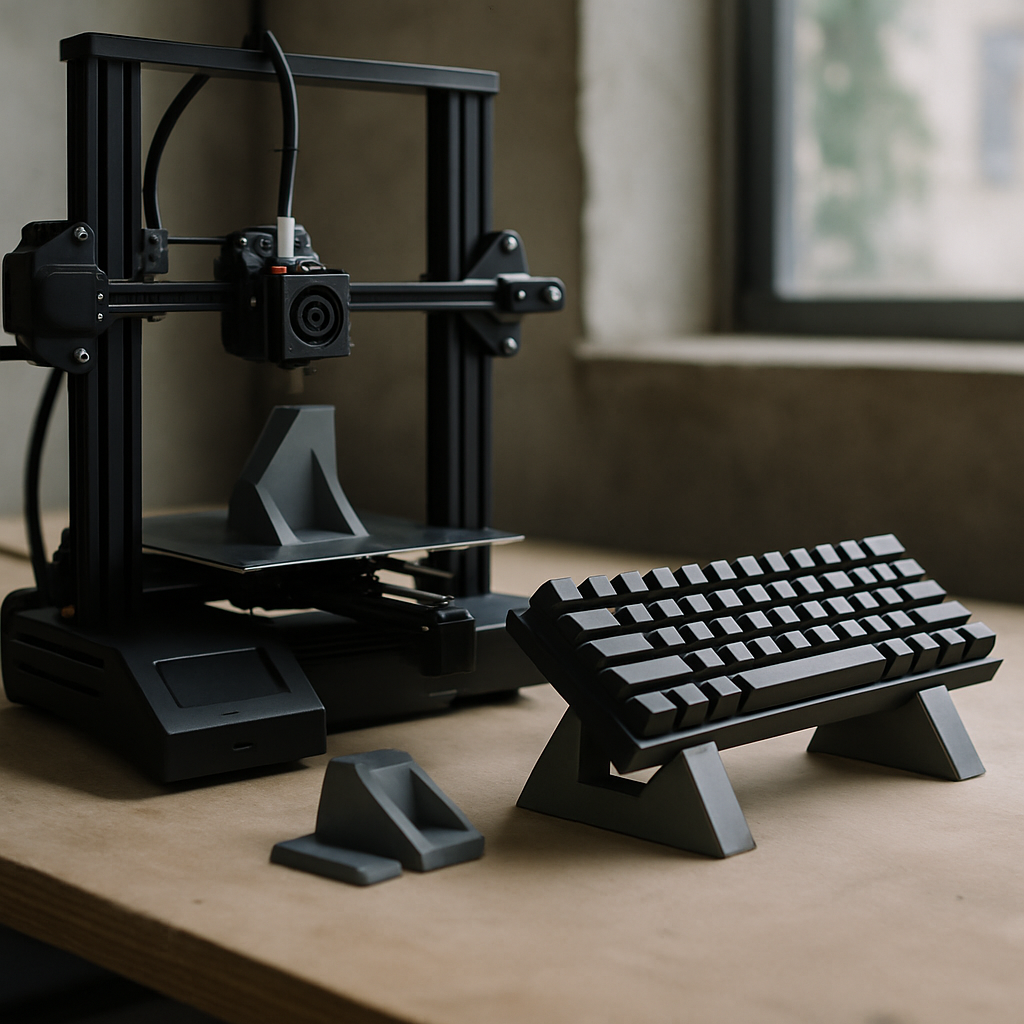
The world of custom mechanical keyboards is an ever-evolving landscape filled with endless possibilities for personalization. Among the countless accessories, keyboard stands have emerged as a vital component, not just for aesthetic appeal but for ergonomic functionality. With the rise of 3D printing technology, enthusiasts have a powerful tool at their disposal to create bespoke keyboard stands. This article delves into the journey of designing 3D-printed keyboard stands, exploring the intricate process from the initial concept to the final, tangible product. By examining current trends and technological advances, we aim to provide insight and inspiration for those eager to embark on their own design ventures.
Understanding the Basics of 3D Printing
3D printing technology has revolutionized the way we think about manufacturing and design. At its core, 3D printing, or additive manufacturing, involves creating three-dimensional objects layer by layer from a digital model. This approach allows for complex geometries that are often impossible or too costly to achieve with traditional manufacturing techniques. For keyboard enthusiasts, 3D printing offers the unparalleled flexibility to design stands that are tailor-made to fit specific keyboard layouts and user preferences.
The technology primarily uses materials such as PLA (Polylactic Acid), ABS (Acrylonitrile Butadiene Styrene), and PETG (Polyethylene Terephthalate Glycol), each offering unique properties that influence the final product's durability, finish, and flexibility. When embarking on a design project, understanding these materials' characteristics is essential. PLA, for example, is known for ease of use and is biodegradable, making it a popular choice for beginners. ABS provides greater strength and heat resistance, suitable for stands that may endure higher loads or environments with fluctuating temperatures.
Selecting the right 3D printer is another critical step. Brands like Prusa, Creality, and Ultimaker offer a range of models with varying capabilities and price points. Whether you are a beginner looking to dip your toes into 3D printing or an experienced maker seeking advanced features, understanding printer specifications, such as build volume and resolution, will guide you in making an informed decision. These early choices lay the groundwork for transforming creative vision into a functional keyboard stand.
Designing for Functionality and Aesthetics
Creating a 3D-printed keyboard stand involves balancing functionality with aesthetics. At the outset, it's crucial to consider the ergonomic aspects of the stand. A well-designed stand can improve typing posture, reduce wrist strain, and enhance the overall user experience. Key design elements include the angle of inclination, which ideally ranges between 5 to 15 degrees to promote a natural wrist position, and the stand's height, which should complement the user's desk setup.
While functionality is paramount, aesthetics play a significant role in the appeal of a keyboard stand. The choice of design can range from minimalist to intricate, reflecting the user's personal style or complementing the keyboard's theme. Popular design trends include geometric patterns, organic shapes, and retro-futuristic styles. Software tools like Fusion 360, Tinkercad, and Blender are invaluable for translating these design visions into digital models. These programs allow for precise control over dimensions and offer simulation features to test structural integrity before printing.
The process doesn't end with design; the choice of color and finish can elevate the stand's visual appeal. Filaments come in a plethora of colors and finishes, from matte and glossy to metallic and even glow-in-the-dark variants. By experimenting with different filament types, designers can achieve striking visual effects that enhance the keyboard's aesthetic and the overall desk setup. Combining thoughtful design with the right materials ensures that the final product is both functional and visually captivating.
Overcoming Design and Printing Challenges
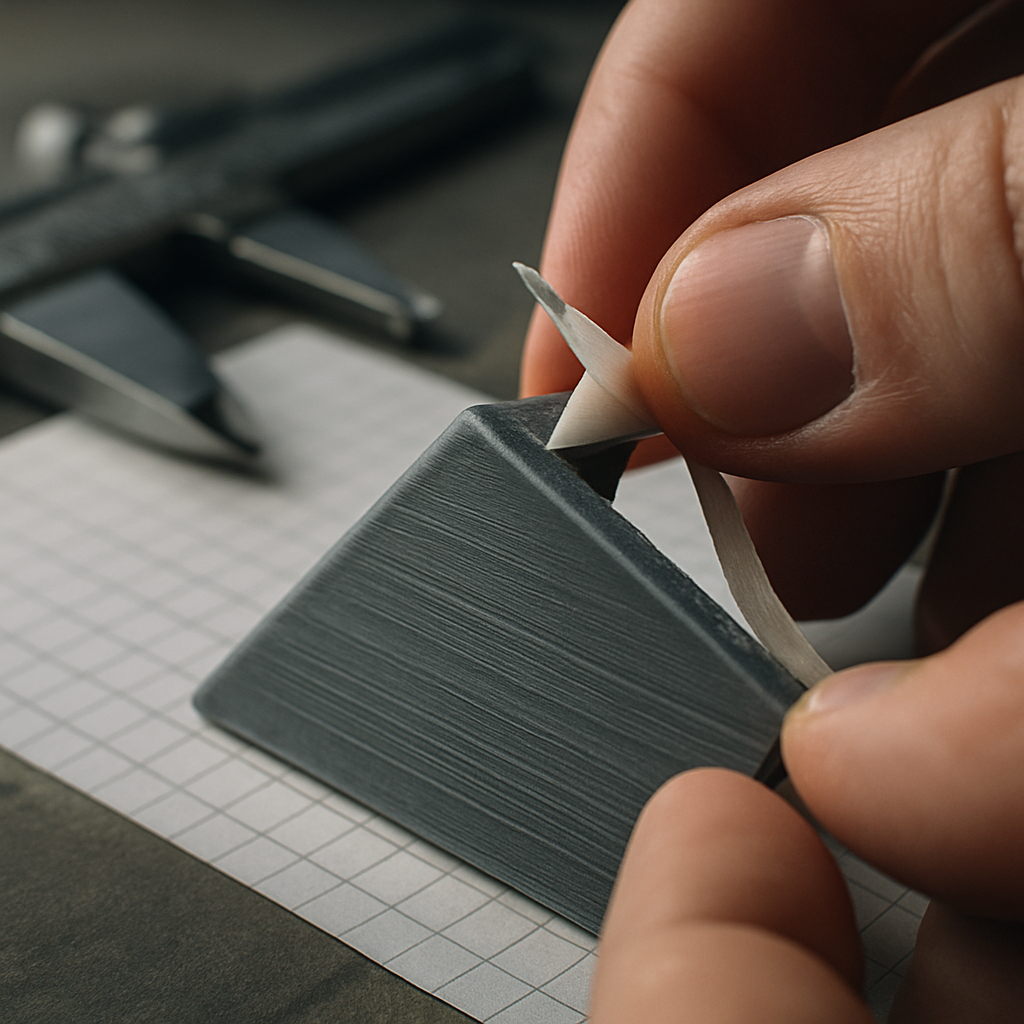
The journey from concept to a 3D-printed keyboard stand is not without its challenges. Design complexities, printer limitations, and material issues can all present hurdles. One common challenge is ensuring dimensional accuracy, particularly for stands with intricate parts or interlocking mechanisms. Calibration of the 3D printer is vital to maintain precision, requiring regular maintenance and adjustment of components like the print bed and extruder.
Material choice can also present challenges. While PLA is forgiving and easy to work with, it lacks the durability of ABS and PETG, which can be crucial for stands subjected to daily use. Warping, a common issue with ABS, can be mitigated by using a heated bed or enclosure to maintain a constant temperature during printing. Additionally, printing thin walls or fine details requires careful consideration of layer height and print speed to prevent defects.
Print failures are an inevitable part of the 3D printing process, even for seasoned designers. Troubleshooting requires patience and a systematic approach. From clogged nozzles to adhesion problems, each issue has specific solutions that can be addressed by tweaking settings or making hardware adjustments. Online communities such as Reddit's r/3Dprinting and forums hosted by manufacturers are invaluable resources for support and advice. By harnessing collective knowledge, designers can overcome setbacks and refine their skills, ultimately producing a successful and polished keyboard stand.
Embracing Innovation with Custom Designs
The beauty of 3D printing lies in its potential for customization, allowing enthusiasts to push the boundaries of design and innovation. Custom mechanical keyboards are already a highly personalized hobby, where each component, from switches to keycaps, reflects the user's taste. Keyboard stands are a natural extension of this customization, offering opportunities to create unique and personal touches.
Collaborations between designers and keyboard communities have resulted in remarkable designs that showcase creativity and technical skill. Platforms like Thingiverse and MyMiniFactory host a plethora of user-generated designs, serving as inspiration for those starting their own projects. Some designs prioritize modularity, allowing users to adjust or swap parts to suit different keyboards or preferences. Others incorporate features like cable management channels, built-in USB hubs, or RGB lighting that enhance functionality and integration with existing setups.
As 3D printing technology continues to advance, so does the potential for innovation in keyboard stand design. The advent of multi-material printing and improvements in printer resolution expand the possibilities for incorporating intricate details and combining materials with different properties. This technological evolution empowers creators to develop stands that not only meet their functional needs but also embody artistic expression and individuality.
The Future of 3D-Printed Keyboard Stands
Looking ahead, the future of 3D-printed keyboard stands seems promising with the rapid advancements in technology and growing interest in personalization. As 3D printing becomes more accessible and affordable, we can anticipate even greater innovation in the types and complexity of designs available. Companies like Formlabs and Stratasys are pioneering developments in high-resolution printing and material science, paving the way for stands that are not only aesthetically pleasing but also resilient and functional.
Additionally, environmental considerations are becoming increasingly important in the world of 3D printing. The push towards sustainable materials is driving the development of new biodegradable and recycled filaments that meet the demands of eco-conscious consumers. This shift not only reduces the environmental impact of 3D printing but also broadens its appeal to a wider audience seeking sustainable solutions in their hobbies.
In the ever-expanding universe of custom mechanical keyboards, 3D-printed stands are more than just functional accessories. They are a testament to the creativity and ingenuity of their creators, bringing together art, technology, and functionality in a single piece. As enthusiasts continue to explore and innovate, the possibilities for what can be achieved with 3D printing are boundless, promising a future where custom keyboard stands are as unique and diverse as the individuals who design them.