The Hundred-Dollar Custom: Building a Keyboard You Love Without the Boutique Price Tag
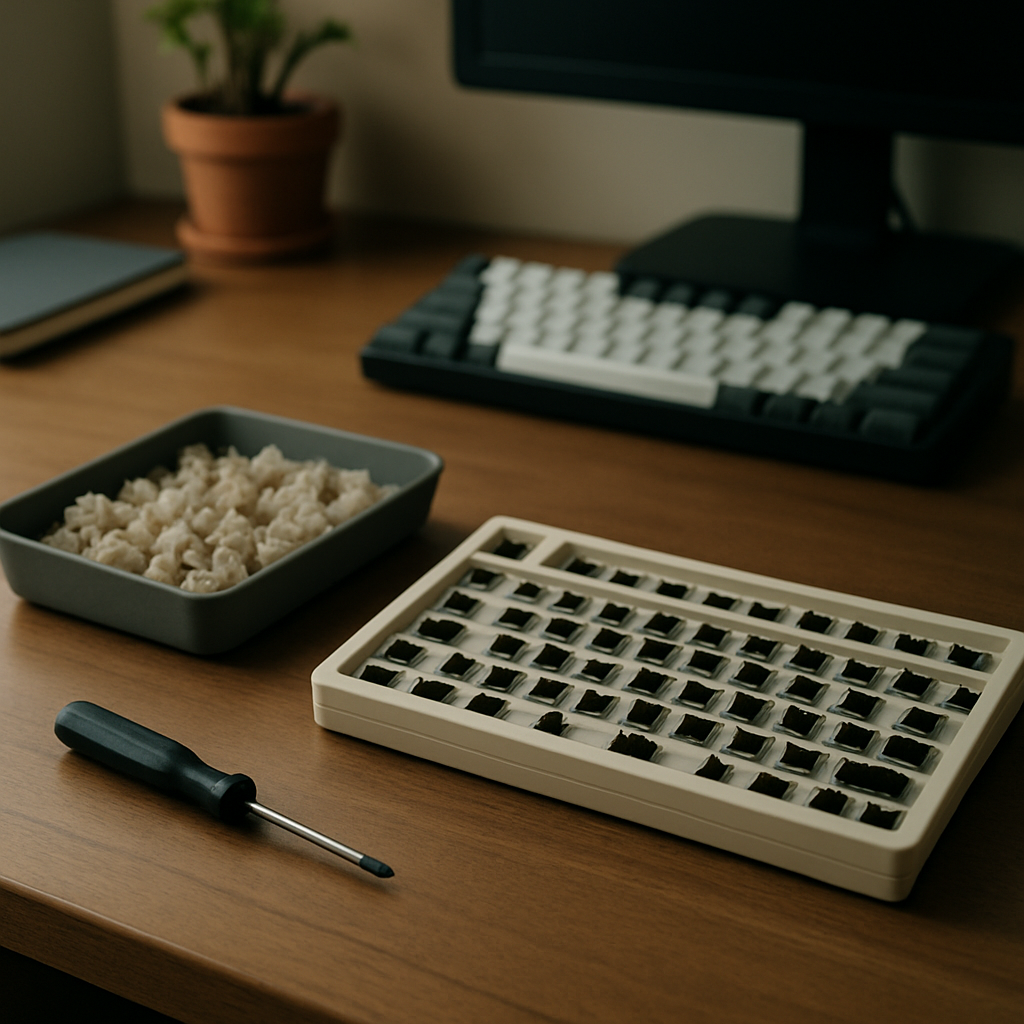
There is a version of this hobby that lives in showcase threads: five-hundred-dollar aluminium cases, keycap sets that cost more than a games console, extras flipped for double retail. It is beautiful and it is real — and it has convinced a lot of curious people that custom keyboards are a rich person's pursuit. That belief deserves to be dismantled, because the honest secret of the scene is this: the qualities that make a custom keyboard feel special have become astonishingly cheap. What costs money is exclusivity. What costs almost nothing is craft.
What Actually Makes a Board Feel Good
Strip away the branding and a great typing experience comes down to a short list: decent switches that do not rattle, stabilisers that have been tuned, a case that does not sound hollow, keycaps with a pleasant texture, and a mounting arrangement with a little give. Not one item on that list requires boutique pricing anymore.
The budget segment has been transformed over the past few years. Barebones kits from the value brands ship with hot-swap sockets, gasket mounting, flex-cut polycarbonate plates and pre-installed foam — features that were flagship-exclusive not long ago. Switch manufacturing has improved so much that several sub-forty-cent switches come factory-lubed to a standard that embarrasses older premium options.
A Realistic Hundred-Dollar Recipe
Here is the shape of a build that punches far above its receipt. Start with a budget hot-swap barebones kit around the sixty-dollar mark — the 65 and 75 percent segments are the sweet spot, dense with competition. Add a set of well-reviewed budget linear or tactile switches, factory-lubed, for fifteen to twenty dollars. Finish with dye-sub PBT keycaps in a classic profile for twenty to twenty-five.
That is the whole bill. No soldering, no tooling, no group buy wait. An evening of assembly produces a board that a blindfolded typist could easily mistake for something three times the price — especially after the next step.
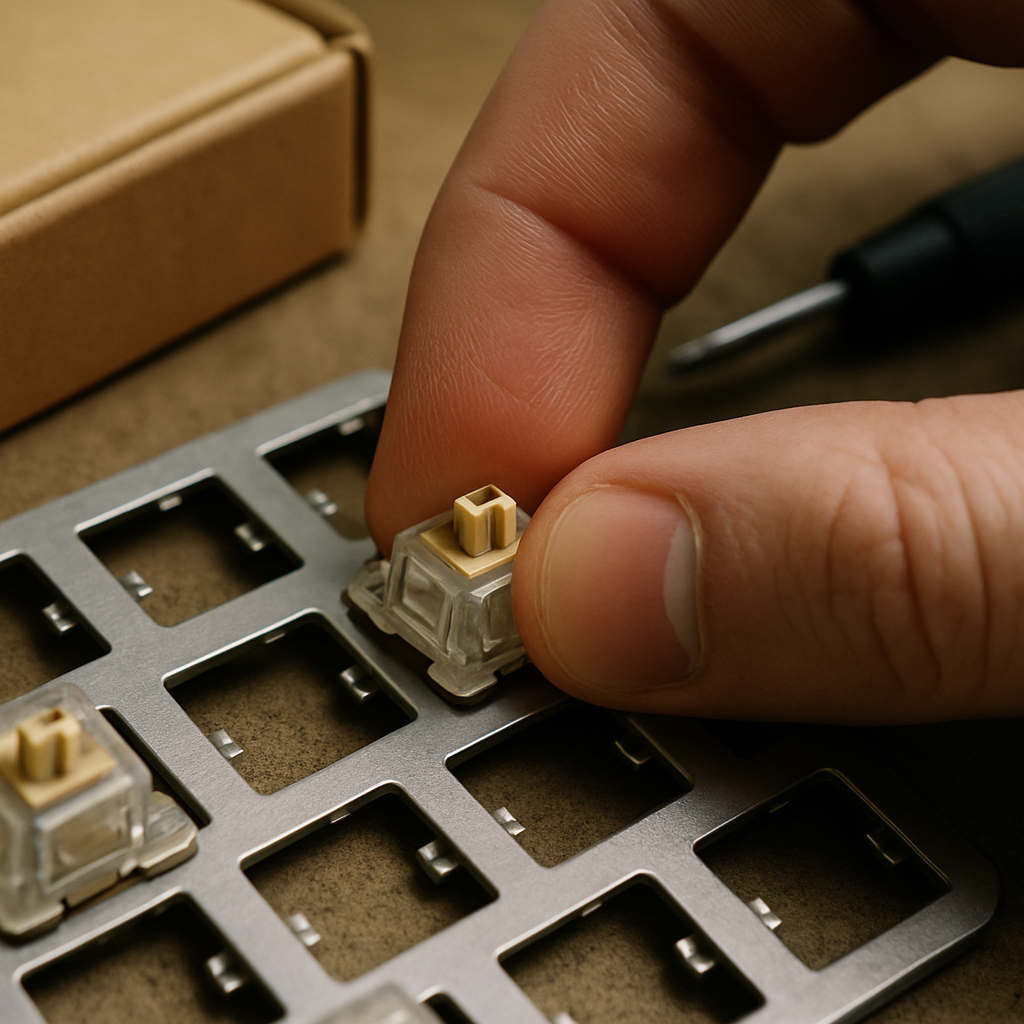
The Mods That Cost Time, Not Money
This is where budget building becomes genuine craft. The gap between a good cheap board and a great one is closed almost entirely with labour and materials that cost pocket change.
Tune the stabilisers first; it is the highest-value hour in the hobby. Clip and lube them with a small tub of dielectric grease from a hardware shop, and the space bar transforms from a rattling drawbridge into a solid thunk. Add the tape mod — literally a few layers of painter's tape on the back of the PCB — to focus the sound. Try the force-break mod, small strips of tape where case halves meet, to kill hollowness. If the board still sounds empty, cut a case foam layer from a cheap craft mat.
None of these modifications costs more than a coffee. Together they are responsible for most of what people describe as the "premium sound" in reviews. The boutique boards mostly arrive with this tuning done; the budget path just asks you to do it yourself — which, if you are here for the craft, is the fun part.
Where the Money Actually Goes Up High
Understanding what expensive boards buy makes budget building feel like a choice rather than a compromise. High-end customs deliver machining precision, weight, anodisation quality, design originality and scarcity. These are real things — an aluminium case with a brass weight has a presence no polycarbonate board matches. But they are aesthetic and emotional goods, not typing-feel goods. The fingertips cannot feel a serial number.
That reframing is liberating. It means a beginner can get ninety percent of the experience for twenty percent of the money, then decide with informed hands whether the last ten percent is worth chasing. Many veterans quietly keep a modded budget board as their daily driver while the showpiece sits on a shelf.
Craft Was Never About the Receipt
The keyboard hobby tells its best story not in limited-run extras but in the person who turned a hundred dollars and a free weekend into an object they are proud of. Budget building preserves everything essential: the research, the choices, the tuning, the moment the last keycap goes on and the first sentence comes out sounding like rain on a wooden roof. If the price of entry ever felt like a wall, consider it demolished. The tools are cheap, the knowledge is free, and the craft — as always — is in the hands, not the invoice.