Carbon Fiber in Keyboard Crafting: Strength and Lightness Reimagined
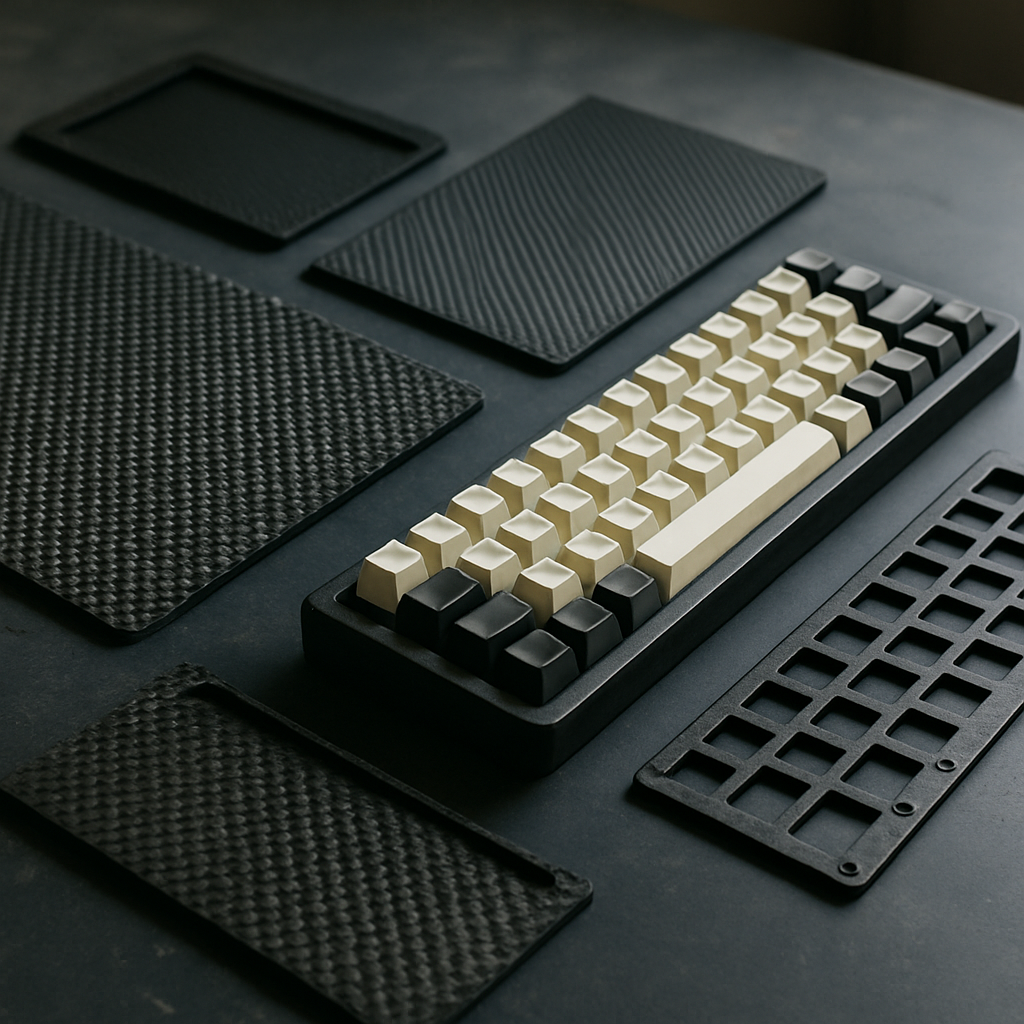
In the world of custom mechanical keyboards, innovation and creativity are key to crafting the ultimate typing experience. Of the many materials utilized, carbon fiber has emerged as a favorite among enthusiasts for its unique blend of strength and lightness. Used extensively in aerospace and high-performance automotive industries, carbon fiber offers exceptional durability and a sleek aesthetic that appeals to keyboard builders. As the keyboard community continues to expand, more artisans are exploring the potential of carbon fiber to revolutionize how we think about keyboard construction. This material is not just a trend; it's a testament to how modern engineering can enhance everyday tools.
The Allure of Carbon Fiber
Carbon fiber's charm lies not only in its physical properties but also in its aesthetic appeal. This material is composed of thin, strong crystalline filaments of carbon that provide significant strength and stiffness. Unlike other materials used in keyboard crafting, such as acrylic or aluminum, carbon fiber offers a superior strength-to-weight ratio, making it ideal for both portable and stationary keyboards.
Enthusiasts adore carbon fiber for its rich texture and modern look. Companies like Keycult and Rama Works have begun experimenting with carbon fiber in their high-end keyboard models, offering keyboards that are not just tools, but works of art. The integration of carbon fiber allows for a sleek design that no other material can fully replicate. Its natural black color and pattern make it an attractive choice for those seeking a minimalist or sophisticated look.
This widespread appeal is partly due to the customizability of carbon fiber. It can be woven into various patterns and combined with other materials to enhance its appearance and functionality. For those who seek a truly unique board, carbon fiber offers endless possibilities. As companies and creators explore further, the allure of carbon fiber continues to grow, sparking innovation and inspiring new designs in the world of keyboard crafting.
Performance Advantages
The use of carbon fiber in keyboard building isn't just about aesthetics; it drastically changes the performance characteristics of a keyboard. One of the standout features of carbon fiber is its lightweight nature. This makes it an excellent choice for those who prefer a travel-friendly keyboard without sacrificing durability. The material's intrinsic resilience offers a robust build that withstands daily wear and tear, which is particularly appealing to those who use their keyboards extensively.
Moreover, carbon fiber's structural integrity means that it doesn't warp or deform easily under stress, a common issue with some plastics and metals over time. This ensures that the keyboard remains rigid and stable, providing a consistent typing experience that is crucial for gamers and professionals alike. The rigidity of carbon fiber also contributes to its acoustics, influencing the sound profile of the keyboard to offer a crisp and satisfying auditory experience.
The unique properties of carbon fiber are well-documented in industries where precision and durability are paramount. The aerospace sector, for instance, has long relied on carbon fiber for components that demand both lightweight and high strength. Translating these advantages to keyboard crafting demonstrates how the material can enhance performance, offering users a cutting-edge solution to meet their demanding needs.
Challenges and Considerations
While carbon fiber offers outstanding benefits, working with this material presents several challenges. For those crafting custom keyboards, the first hurdle is the cost. Carbon fiber is a premium material, and its price reflects the complexity of its production process. Manufacturers like LZ and Singa Keyboards often have to consider the balance between material cost and product pricing, ensuring their offerings remain accessible without compromising quality.
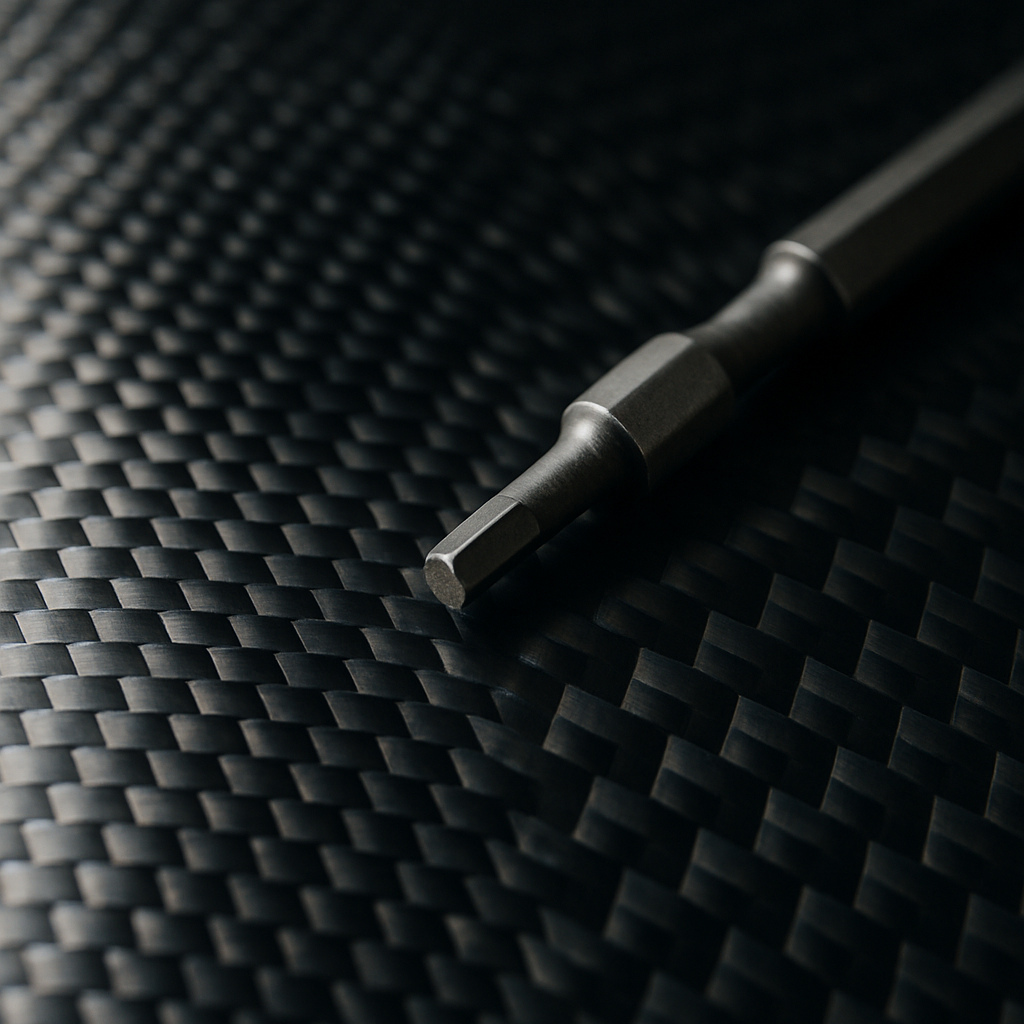
Crafting with carbon fiber requires specialized knowledge and equipment. Unlike traditional materials such as wood or metal, carbon fiber demands precision in cutting and layering to maintain its structural integrity. This often necessitates investment in specific tools and training, which can be a barrier for smaller artisans and hobbyists looking to experiment with this material.
Additionally, the aesthetic nature of carbon fiber means that any imperfections or errors in the crafting process are highly visible. This requires meticulous attention to detail, ensuring that the final product meets the high standards expected by discerning keyboard enthusiasts. Despite these challenges, the rewards of working with carbon fiber can be significant, offering a product that combines top-tier performance with striking design.
Environmental Impact
As with any modern manufacturing process, considering the environmental impact of materials is essential. The production of carbon fiber involves significant energy consumption and emissions, primarily due to the high-temperature processes required to produce the fibers. However, the lifecycle analysis of carbon fiber components often reveals a different perspective when considering durability and longevity.
Carbon fiber's longevity can offset its initial environmental footprint. With the keyboards made from this material being highly durable, the need for frequent replacements is reduced, ultimately leading to less waste. Companies are increasingly adopting sustainable practices in the production of carbon fiber, striving for a balance between performance and environmental stewardship.
Efforts are also being made to improve the recyclability of carbon fiber products. While traditionally challenging due to the material's durability, new technologies are emerging that may allow for more efficient recycling processes. This is an essential consideration for the keyboard community, which values both innovation and sustainability. As these technologies advance, carbon fiber's role in eco-friendly keyboard production could become increasingly significant.
The Future of Carbon Fiber Keyboards
The future of carbon fiber in the keyboard industry is promising, with possibilities expanding as technology and techniques continue to evolve. New fabrication methods, such as 3D printing with carbon fiber-infused filaments, are opening doors for even more innovative designs and applications. This approach offers the potential to create intricate structural components that were previously impossible to manufacture using traditional methods.
As more manufacturers and hobbyists embrace this material, the potential for customization grows. The unique aesthetic qualities of carbon fiber, combined with its unmatched performance characteristics, make it a compelling choice for future keyboards. Collaborative efforts between designers and engineers are likely to push the boundaries of what can be achieved, leading to keyboards that not only look and feel incredible but also perform exceptionally at all levels.
The ongoing exploration of carbon fiber as a fundamental material within the custom mechanical keyboard community is a testament to the relentless pursuit of excellence and innovation. As the industry progresses, carbon fiber will likely continue to play a central role, reshaping perceptions of what a keyboard can be and setting new standards in both form and function.