Gamified Workspace Design: Lessons from Casumo's Approach to Playful Organization
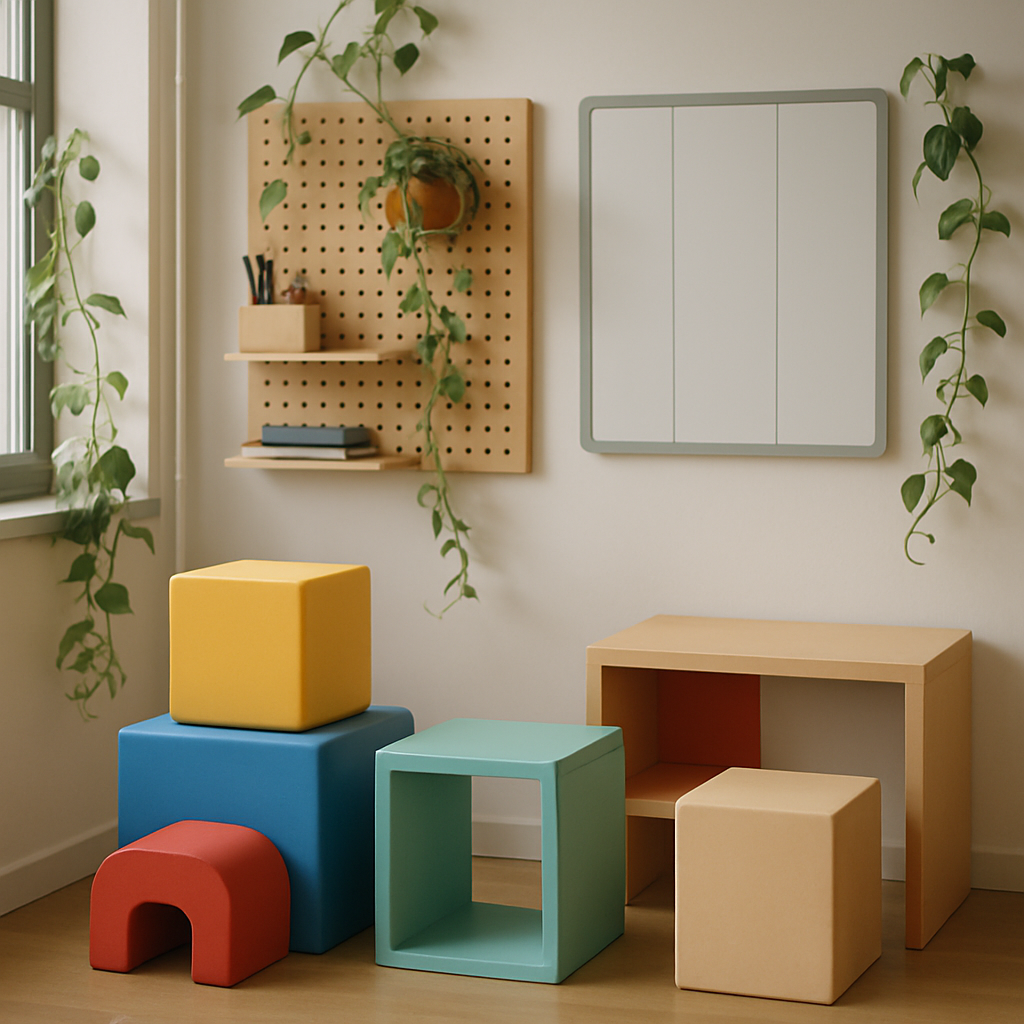
In an era where workplace flexibility and employee engagement are more important than ever, gamified workspace design has emerged as a potent strategy for organizations looking to invigorate their staff. The concept involves incorporating game elements into the work environment to foster creativity, collaboration, and motivation. While some companies have merely flirted with these ideas, others like the online casino operator Casumo have embraced them wholeheartedly, transforming their organizational culture in the process. Casumo's approach to gamification not only reflects its core business ethos of fun and entertainment but also sets a precedent for others seeking to merge work and play seamlessly.
Understanding Gamified Workspace Design
Gamified workspace design revolves around introducing playful elements into the conventional office environment. It’s an approach that has been gaining traction as companies seek innovative ways to boost morale and productivity. The principle is simple yet profound: if you enjoy what you do, you’ll likely do it better. This notion resonates strongly with Casumo, an online casino operator that has woven play into its organizational fabric. They have not only implemented gamified elements in their online platforms but also in their physical workspace.
Casumo's offices are designed to be more than just places to complete tasks; they are vibrant hubs where creativity can flourish. The company has incorporated spaces for relaxation and play, including game zones and themed meeting rooms, fostering a culture where creativity and spontaneity are encouraged. This aligns with findings from a study by the University of Warwick, which found that happiness can increase productivity by 12%. By creating a workspace filled with elements of play, Casumo exemplifies how gamification can lead to a more engaged and productive workforce. It's not just about having fun but about crafting a work environment that inspires employees to think outside the box.
The Role of Custom Mechanical Keyboards
In the realm of gamified workspaces, custom mechanical keyboards have found a pivotal role. These keyboards go beyond mere functionality; they become personal expressions of creativity and design. For companies like Casumo, which thrive on innovation, customizing peripherals such as mechanical keyboards can significantly enhance the workspace experience. The tactile feedback, coupled with customizable keycaps and switches, offers a unique typing experience that can be tailored to individual preferences. This personalization not only improves efficiency but also allows employees to engage with their work tools on a more personal level.
Casumo’s approach includes providing employees with mechanical keyboards that they can personalize, turning a mundane tool into an avenue for creativity. The aesthetic and functional customization of these keyboards is akin to crafting a personalized workspace, which can contribute to greater job satisfaction and efficiency. According to research in occupational psychology, personalizing one's workspace leads to a greater sense of ownership and commitment. At Casumo, this environment is fostered through a collaborative culture where employees are encouraged to share and compare their customized setups, thus promoting a sense of community and shared purpose.
Collaborative Spaces and Dynamic Design
Casumo's offices are not just about individual creativity; they emphasize collaboration and community as well. The design includes open workspaces that allow for easy communication and interaction, as well as designated zones where teams can engage in creative brainstorming sessions. These spaces are designed to be flexible, with movable furniture and writable surfaces, enhancing adaptability and encouraging dynamic problem-solving. The concept of flexible workspaces is fast becoming a norm, with companies recognizing the need for environments that adapt to various work styles.
Incorporating dynamic and movable designs aligns with studies showing that physical workspace can significantly affect employee collaboration and innovation. Architectural firm Gensler found that workplaces which blend collaborative and focused work areas tend to have higher productivity and employee satisfaction. Casumo reflects these findings in its workspace by incorporating elements that foster both individual focus and group synergy. The emphasis on communication and collaboration is not just limited to physical spaces but also extends to their virtual platforms, where gamification techniques are used to enhance team interaction and cohesion.
The Impact of Themed Environments
Themed environments are another integral component of Casumo's gamified workspace design. By creating spaces that evoke different moods or settings, Casumo transports employees into various worlds, enhancing their creative processes. This thematic approach can be seen in their meeting rooms, each designed around a unique concept that encourages thinking outside the conventional bounds. The result is an immersive experience that can stimulate creativity and break the monotony often associated with traditional office environments.
Employing themes in the workspace is underpinned by environmental psychology, which suggests that surroundings can influence cognitive processes and creativity. A study by Cornell University highlighted that unique and visually interesting environments could enhance creative performance. Casumo’s themed environments echo the playful spirit of its brand and encourage employees to embrace fun as part of their work ethos. These creative spaces do more than just provide a change of scenery; they serve as catalysts for innovation, idea generation, and ultimately, organizational success.
Lessons in Cultivating a Playful Culture
Casumo’s gamified approach offers valuable lessons for other organizations looking to cultivate a playful work culture. By integrating playful elements into the workspace, they demonstrate that fun and productivity are not mutually exclusive. The company's success underscores the importance of aligning workplace design with organizational values and employee needs. For Casumo, this means creating an environment where playfulness is encouraged and celebrated, reinforcing a sense of belonging and creativity among employees.
The playful culture is not just about having games and fun elements around; it's deeply embedded in how Casumo operates and makes decisions. This cultural alignment is crucial in ensuring that gamification efforts are authentic and effective. It also highlights the importance of leadership in cultivating and sustaining a playful organizational culture. When leaders embrace and model this culture, it can permeate throughout the organization, leading to enhanced morale, engagement, and productivity. As companies navigate the challenges of modern work environments, Casumo's approach to gamified design provides a compelling case for embracing play as a serious business strategy.