Hand-Wired Keyboards: When Builders Skip the PCB Entirely
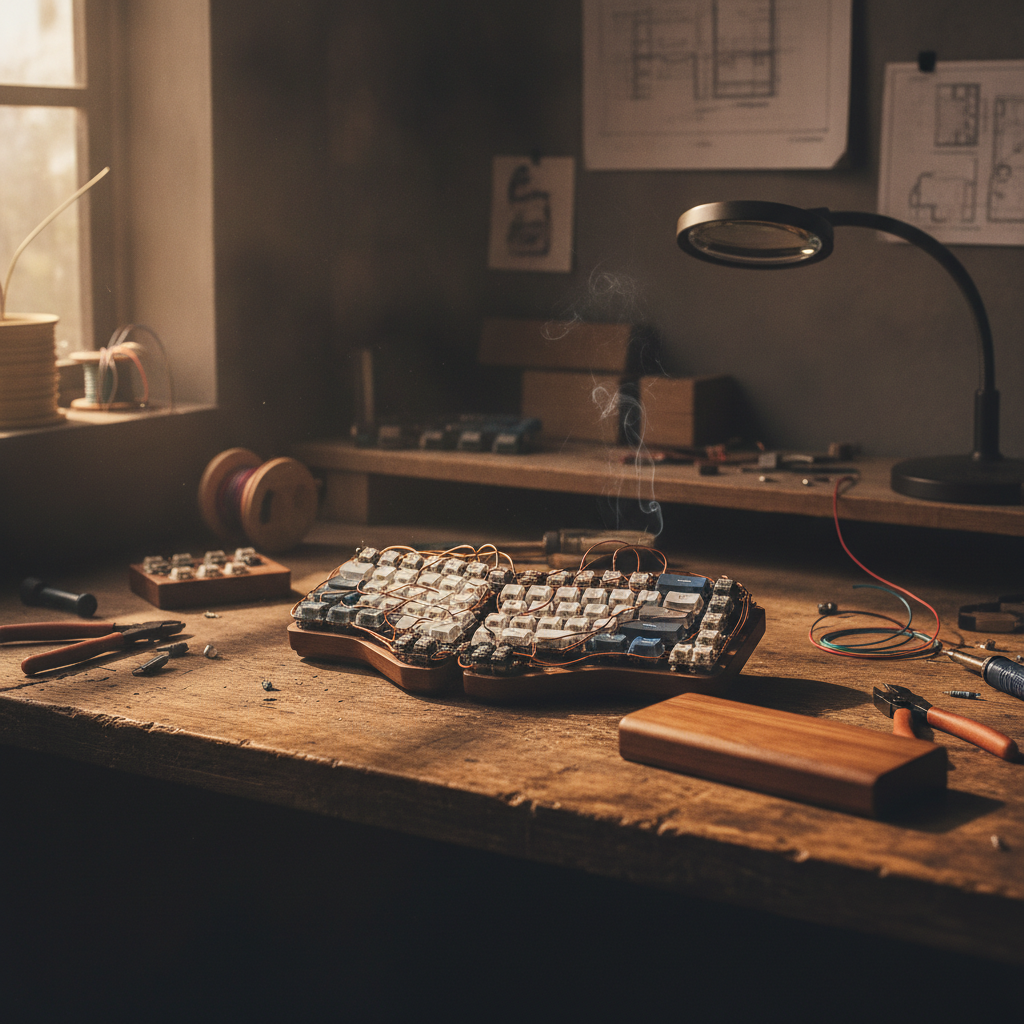
The Art of Hand-Wiring Keyboards
In the world of custom keyboards, enthusiasts often seek to push the boundaries of design and functionality. One intriguing approach that some builders take is hand-wiring their keyboards, completely bypassing the traditional printed circuit board (PCB). This method, while more labor-intensive, offers unique benefits and insights into the craft of keyboard building.
What Is Hand-Wiring?Hand-wiring involves connecting individual switches directly to a microcontroller using discrete wires, rather than relying on a PCB. Builders typically use a grid layout for their switches and connect them in a manner that allows each key to be registered correctly. This is a more manual process, but it gives builders complete control over their keyboard's design and wiring scheme.
“The beauty of hand-wiring is not just in the final product, but in the journey of creation.”Benefits of Hand-Wiring
One of the primary advantages of hand-wiring is customization. Builders can choose any switch placement, layout, or even accommodate unique designs that may not fit within the constraints of a standard PCB. Additionally, hand-wiring can facilitate the use of non-standard switch types or configurations that might not be supported by off-the-shelf PCBs.
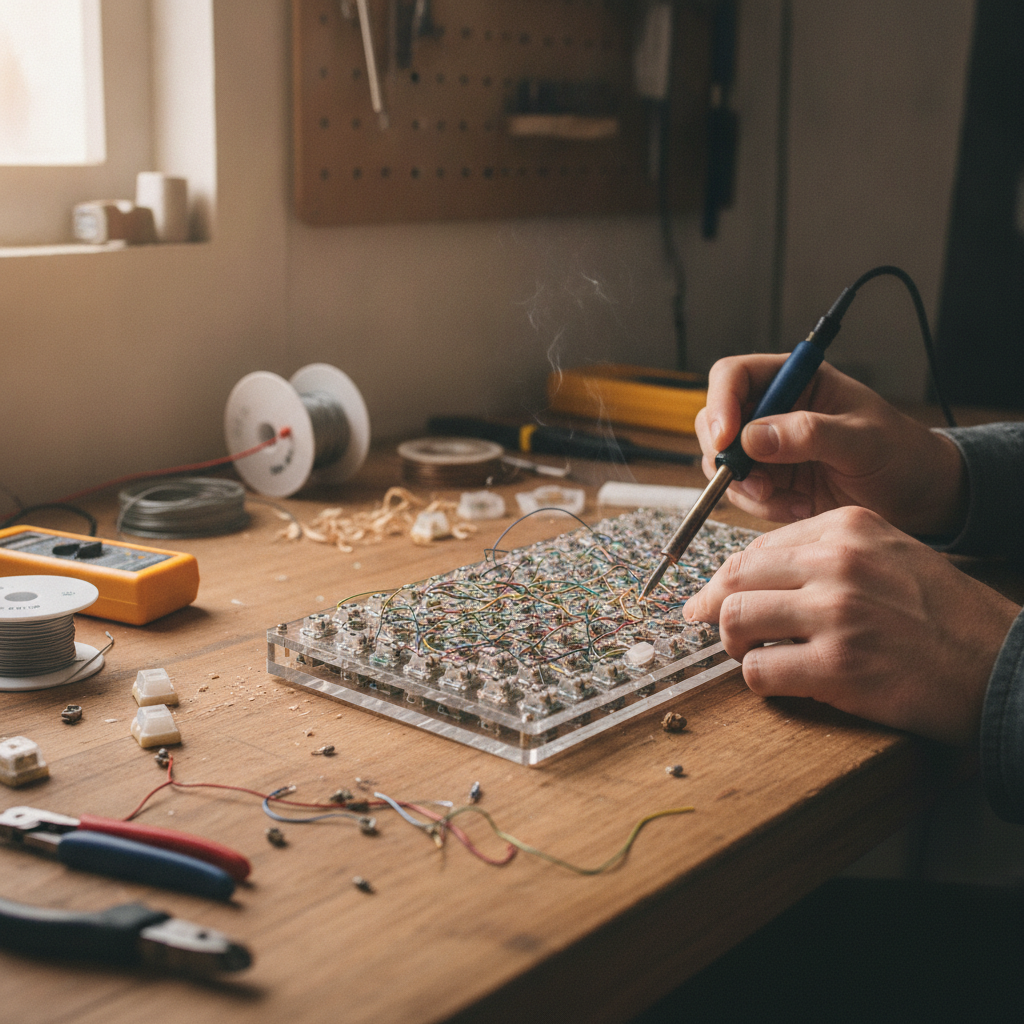
Another benefit is the educational aspect. For many builders, hand-wiring is a way to learn about the electrical principles behind keyboard operation. Understanding how each component interacts can foster a deeper appreciation for the mechanics of the device they are creating.
Challenges AheadHowever, hand-wiring also presents its own set of challenges. It is significantly more time-consuming than using a PCB and requires a good understanding of electronics. Additionally, troubleshooting can become complicated, as a single faulty connection can disrupt the functionality of multiple keys. Builders must be meticulous, ensuring each connection is secure and properly placed.
Moreover, since there is no standardized layout, hand-wired keyboards often require more extensive programming to ensure that each key is mapped correctly to the desired function.
The Community AspectHand-wired keyboard builds have cultivated a vibrant community among enthusiasts. Online forums and social media groups share tips, tutorials, and inspiration, showcasing the creativity that emerges from this method. From intricate designs featuring artistic cases to innovative layouts, the community continues to expand the horizons of what is possible in keyboard design.
“In the world of hand-wiring, each keyboard tells a story, a narrative of creativity and individuality.”
A Personal Touch
Ultimately, hand-wiring keyboards allows builders to create unique devices that reflect their personal style and preferences. By skipping the PCB, they embrace the challenge and artistry of crafting something truly one-of-a-kind. While it may not be the most efficient method, for many enthusiasts, the journey of building a hand-wired keyboard is a rewarding experience that goes beyond just functionality—it's about passion and creativity.