Exploring Polycarbonate: The Unseen Beauty in Keyboard Cases
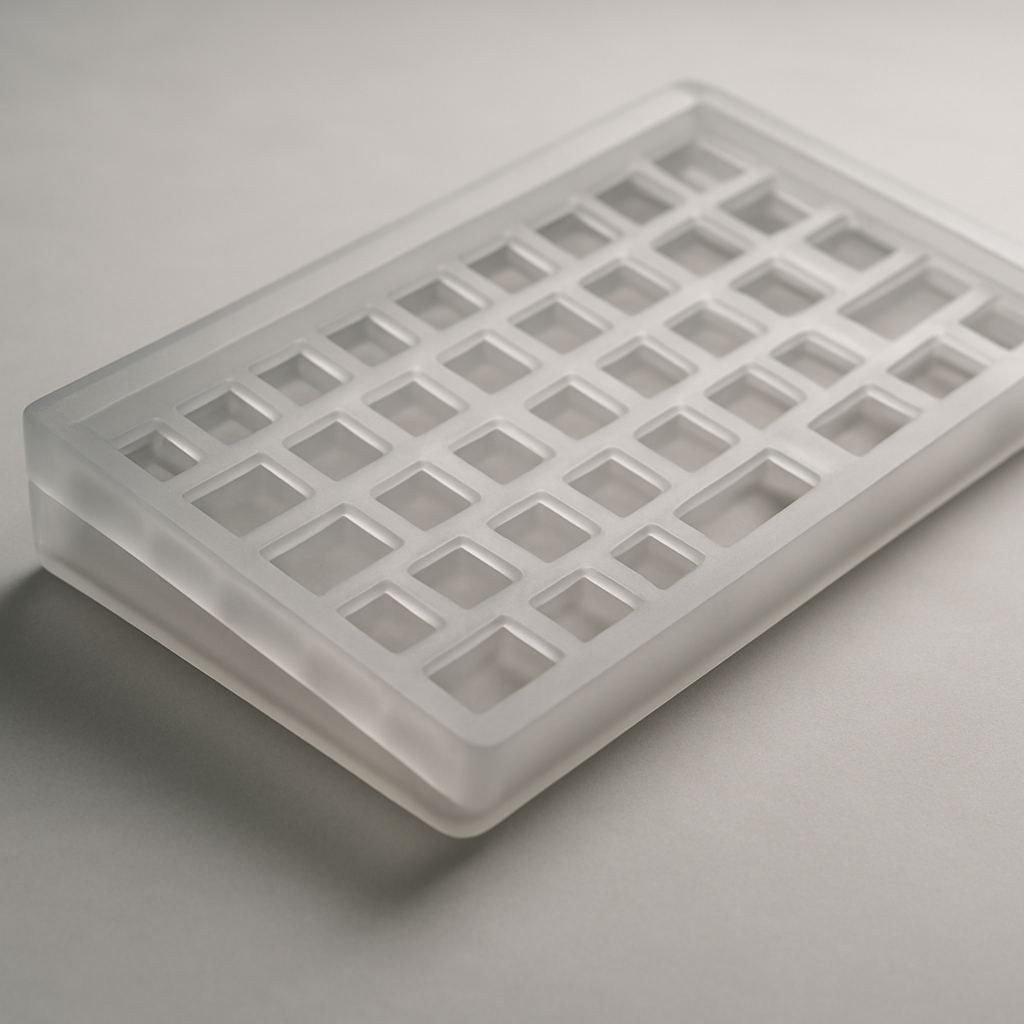
In the world of custom mechanical keyboards, material choice is a pivotal aspect that dictates not only the aesthetics but also the performance of a keyboard. While aluminum and steel have long dominated the scene, polycarbonate is swiftly gaining recognition for its unique aesthetic appeal and functional benefits. This thermoplastic material, renowned for its durability and versatility, offers a visually stunning and distinct tactile experience. Enthusiasts and artisans alike are discovering the potential of polycarbonate, not just as a functional component but as an expressive medium. Its semi-translucent nature provides a blend of opulence and subtlety, making it an intriguing option for keyboard cases.
The Rise of Polycarbonate in Custom Keyboards
Polycarbonate initially gained traction in the industrial world due to its high impact resistance and clarity. Companies like LEXAN and Makrolon were pioneers in producing robust polycarbonate sheets that found applications in a vast array of industries. As custom mechanical keyboards began to grow in popularity, builders and designers started exploring materials beyond the conventional metals and woods. Polycarbonate quickly emerged as a favorite due to its combination of properties that are particularly suited for keyboard cases.
The gaming industry, always on the lookout for materials that enhance the user experience, has also played a significant role in popularizing polycarbonate. Its ability to diffuse RGB lighting effectively, thanks to its semi-transparent nature, makes it an attractive choice. Brands such as Glorious and Ducky have released limited runs of polycarbonate cases, largely to cater to this aesthetic demand. The community appreciates how polycarbonate cases can achieve a glow that is both understated and elegant, unlike the starkness of metals.
Community-driven keyboard designers have also embraced polycarbonate for its acoustic properties. The sound produced when typing on a polycarbonate case is often described as more muted and pleasant compared to the sharp clacks of metal cases. This unique sound signature appeals to those who prefer a softer typing sound. The nuanced acoustic profile of polycarbonate keyboards makes them suitable for professional environments where noise can be a concern, further broadening their appeal.
Crafting Beauty: Aesthetic Advantages
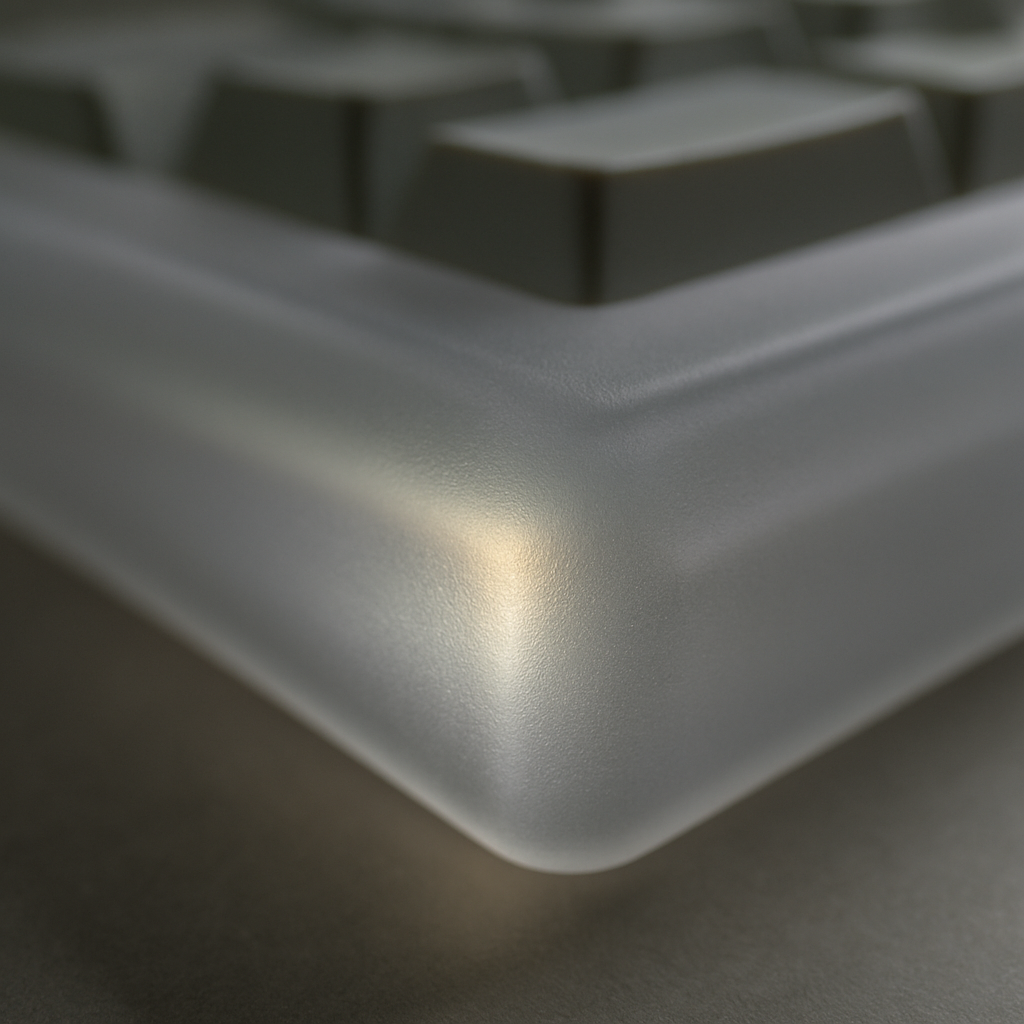
The appeal of polycarbonate in keyboard cases goes beyond mere functionality; it is also about crafting an experience that is visually inviting and distinctly personal. The semi-translucent appearance of polycarbonate cases allows for a unique interaction with light. Unlike fully opaque materials, polycarbonate cases can exhibit an ambient glow, giving keyboards an ethereal appearance. This quality is particularly valued in setups where aesthetics play a crucial role.
Designers have started experimenting with different finishes and textures, taking advantage of polycarbonate’s versatility. Options such as frosted surfaces enhance its light diffusion characteristics, while clear polycarbonate offers a polished, glass-like appearance. The potential for color-tinting further broadens the possibilities, with shades that can complement a wide variety of keycap designs. Custom builders often select polycarbonate to achieve visual harmony, offering a seamless blend between case and keycap.
In addition, polycarbonate’s ability to meld with light makes it a favored choice for those who enjoy customizing their RGB lighting setups. When paired with programmable keyboards, polycarbonate cases can transform a workspace into a dynamic light show. Each keypress can trigger a ripple of colors, reflecting through the semi-transparent case to create mesmerizing visual effects. This capacity for personalization is one of polycarbonate's most compelling draws, enabling every user to bring their unique vision to life.
Polycarbonate vs. Traditional Materials
When comparing polycarbonate to traditional materials like aluminum and ABS plastic, each brings distinct advantages and characteristics to the table. Aluminum is often favored for its robustness and premium feel, while ABS is known for its affordability and ease of molding. Polycarbonate, however, occupies a space where it can offer benefits from both ends of the spectrum, providing a balance of durability and aesthetic flexibility.
The weight of polycarbonate cases, for example, is often lighter than their metal counterparts. This can be a significant advantage for users looking for portable setups. While it doesn't offer the same heft as aluminum, polycarbonate compensates with its resilience and impressive impact resistance. The material's ability to withstand drops and impacts without cracking makes it a practical choice for daily use.
Cost-wise, polycarbonate cases can be more affordable than high-end aluminum cases, making them accessible to a broader audience without compromising on quality. The production processes involved, such as injection molding, allow for high precision and repeatability, ensuring each case maintains consistent quality standards. This accessibility is a key factor contributing to polycarbonate’s rising popularity in the custom keyboard community.
Sustainability and Environmental Impact
In the current era where sustainability is at the forefront of manufacturing considerations, polycarbonate offers some promising advantages. The production of polycarbonate uses less energy compared to traditional metals, and it is highly recyclable. Efforts are underway by companies such as Covestro to improve the environmental footprint of polycarbonate production by utilizing bio-based raw materials and energy-efficient processes.
While the recycling processes for polycarbonate are still evolving, the material’s durability ensures a long lifespan for products made from it. This longevity can result in reduced waste over time, as polycarbonate keyboard cases tend not to need replacing as frequently as those made from more fragile materials. Additionally, the potential for reusability and refurbishment further enhances its environmental profile.
From a use-phase perspective, polycarbonate keyboard cases contribute to reduced energy consumption when considering their lightweight nature, which entails lower shipping emissions. With growing awareness about environmental impact, the keyboard community increasingly values materials that align with sustainable practices. The movement towards eco-conscious production and reduced waste aligns well with polycarbonate’s inherent properties, thus reinforcing its appeal.
Community Reception and Future Trends
The custom keyboard community, known for its discerning taste and emphasis on personalization, has warmly embraced polycarbonate. Online forums and enthusiast gatherings often feature discussions about the latest polycarbonate case designs, with users sharing their builds and experiences. The tactile and auditory qualities of polycarbonate cases are frequently highlighted, with many users praising their subtle yet distinct typing experience.
Looking forward, the use of polycarbonate in keyboard cases is likely to expand as more manufacturers and designers explore its potential. Collaboration between material scientists and keyboard designers could lead to innovative composite materials that further enhance the properties of polycarbonate. Such advancements could open up new possibilities for keyboard customization, pushing the boundaries of both form and function.
As keyboard enthusiasts continue to seek out materials that offer a balance of performance, aesthetics, and sustainability, polycarbonate is well-positioned to meet these demands. Its adaptability and engaging visual qualities create a canvas for creativity that is both practical and inspiring. The unseen beauty of polycarbonate, with its subtle interaction of light and form, is set to remain a captivating aspect of custom mechanical keyboards for years to come.