Powder Coating Techniques: Adding Color and Durability to Keyboard Frames
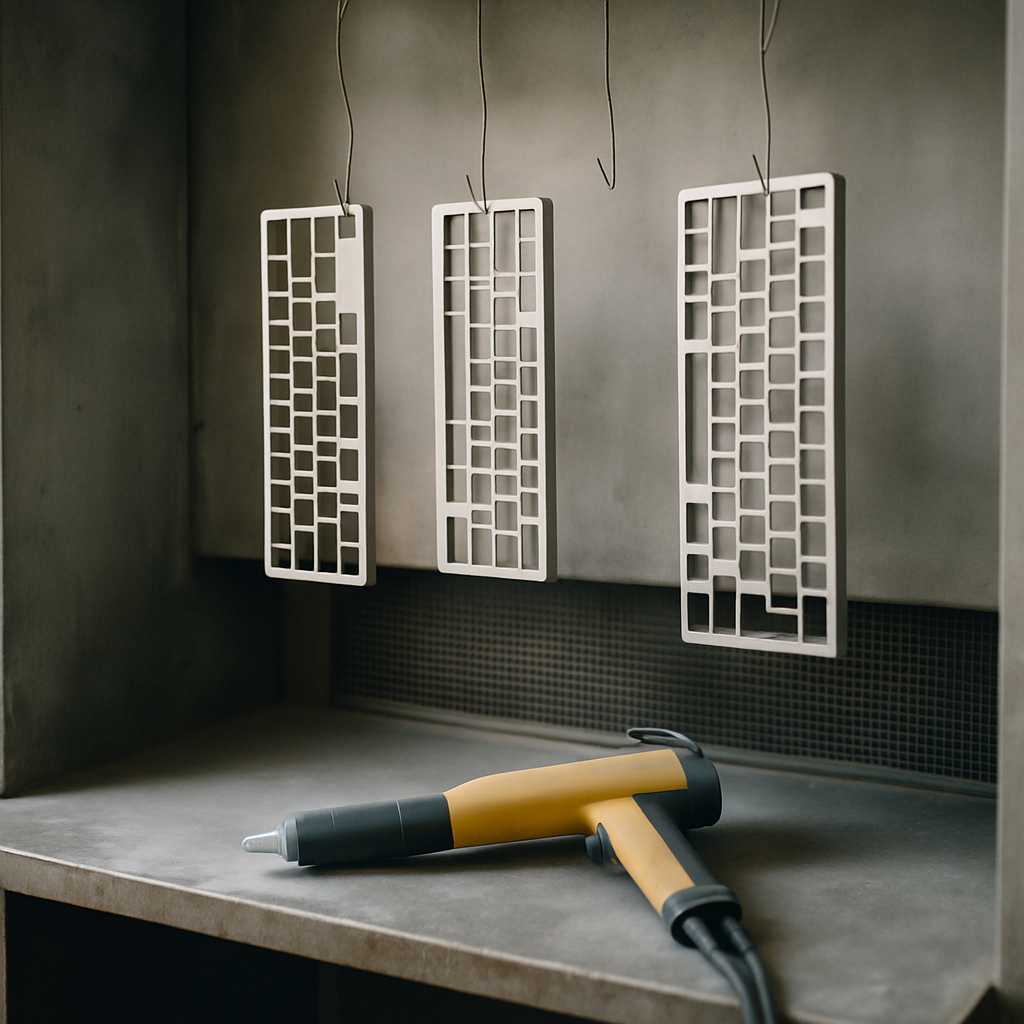
In the world of custom mechanical keyboards, aesthetics and functionality often go hand in hand. One of the ways enthusiasts have begun to enhance both the look and durability of their keyboard frames is through powder coating. This process offers a vibrant array of colors and finishes, while also providing a durable layer of protection. Powder coating has gained popularity not only for its aesthetic versatility but also for its environmental benefits. It's a dry finishing process that uses finely ground particles of pigment and resin, electrostatically charged and sprayed onto a surface. The technique results in a finish that is tougher and more resilient than traditional paint, bringing an additional layer of sophistication to keyboard customizing projects.
The Basics of Powder Coating
Powder coating is an effective way to add a durable, colorful finish to metal objects, making it a popular choice for keyboard frames. The process begins with the preparation of the metal surface, which may involve cleaning, stripping, and sandblasting to ensure that the surface is free from contaminants that could hinder adhesion. The surface preparation is critical, as it determines the longevity and quality of the coating.
Once the surface is adequately prepared, the powder coating material is applied using a spray gun that disperses finely ground particles. These particles are electrostatically charged, allowing them to adhere evenly to the metal surface. The electrostatic process ensures complete and even coverage, even on complicated designs and hard-to-reach areas of the frame. After the application, the coated piece is placed in a curing oven where the powder melts and flows into a uniform finish. The curing process typically takes place at temperatures ranging from 250°F to 300°F, and the duration depends on the type of powder used. After cooling, the result is a smooth, even, and robust finish that surpasses traditional painting methods in terms of durability and resistance to chipping and scratching.
Advantages of Powder Coating
The benefits of powder coating over conventional liquid paint are numerous, especially for custom keyboard projects. One of the main advantages is the durability factor. Powder-coated finishes are highly resistant to chipping, scratching, fading, and wearing compared to other finishes. This is particularly beneficial for keyboard frames that are subject to frequent handling and movement, ensuring that they maintain their aesthetic appeal over the long term.
Powder coating also offers a more environmentally friendly alternative to conventional painting methods. Unlike liquid paint, powder coating does not contain solvents and releases little to no volatile organic compounds (VOCs) into the atmosphere. This makes it an environmentally safe option, aligning with the growing demand for sustainable manufacturing practices in the tech industry. Moreover, the overspray can be collected and reused, which minimizes waste. This efficient use of materials not only benefits the environment but also reduces costs, making powder coating a cost-effective solution for keyboard enthusiasts and manufacturers alike.
Another significant benefit is the vibrant color palette that powder coating offers. From matte and satin to gloss and metallic finishes, the choices are vast. Companies like Prismatic Powders and Tiger Drylac provide a broad spectrum of colors and textures, allowing keyboard enthusiasts to personalize their frames with unique and eye-catching designs. The ability to customize the appearance of a keyboard to this degree is a significant draw for hobbyists aiming to create truly one-of-a-kind pieces.
Preparing for Powder Coating
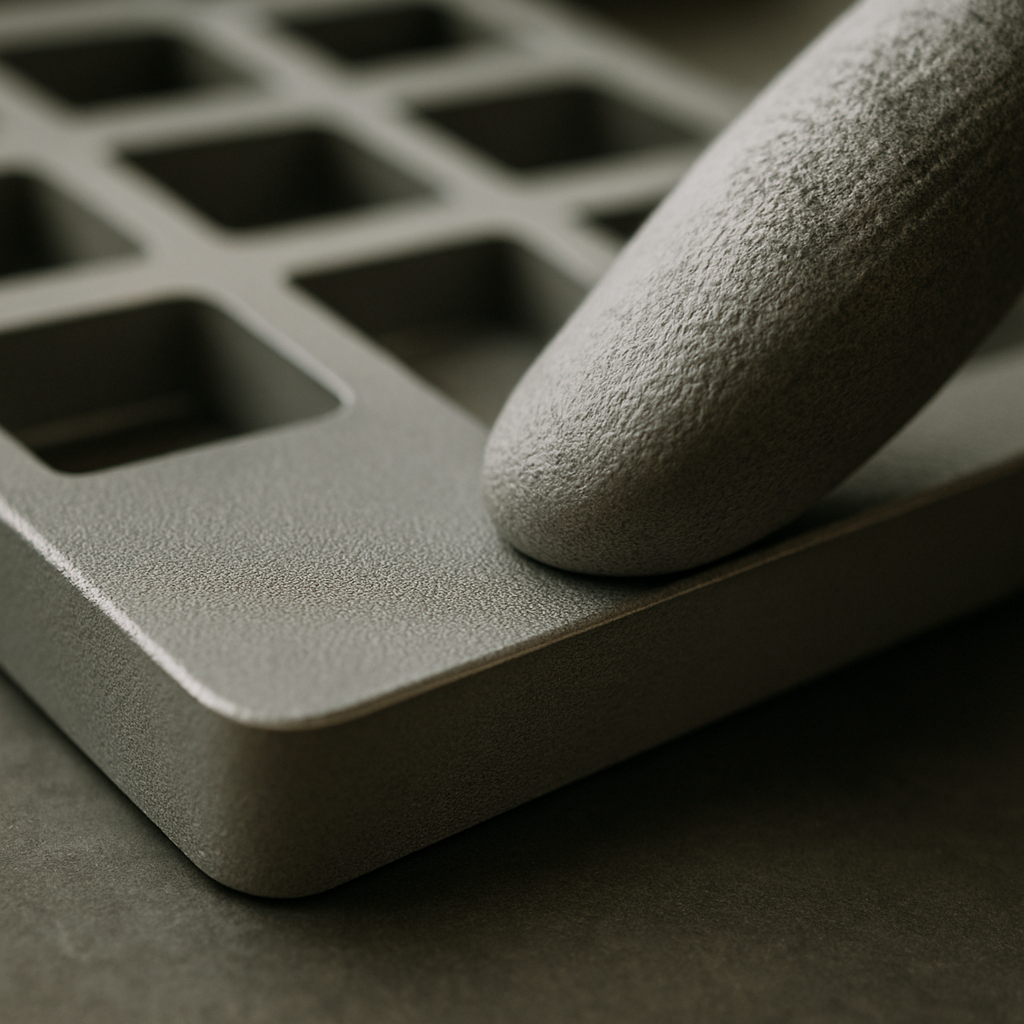
Before beginning a powder coating project, proper preparation is essential to ensure the best results. The first step involves cleaning the keyboard frame to remove oils, dirt, and any existing coatings. For aluminum frames, which are common in keyboard manufacturing, sandblasting is often used to create a rough surface texture that promotes better adhesion of the powder coat. Sandblasting involves propelling fine abrasive material under high pressure against the surface of the metal, effectively preparing it for the coating process.
For those opting to perform powder coating at home, it's important to invest in proper equipment. This includes a powder coating system, an air compressor, and a dedicated oven that can reach the necessary temperatures for curing. It’s important to note that a household oven should never be used for curing powders, as the process can release harmful substances that could contaminate food.
Some DIY enthusiasts choose to use small, portable powder coating systems that are available from companies like Eastwood, which provide affordable entry-level kits. These systems are user-friendly and cater to hobbyists who aim to try out powder coating on a small scale. They typically come with detailed instructions and a range of color options, making them an excellent choice for beginners.
Challenges and Solutions in Powder Coating
While powder coating offers many advantages, it also presents specific challenges, particularly for those new to the process. One common issue is ensuring an even coat across the entire surface of the frame. This can be difficult on pieces with intricate designs or tight angles. To overcome this, it's essential to apply the powder evenly and maintain a consistent distance while spraying. Practicing on less critical pieces first can help hone this skill.
Another challenge is avoiding common defects such as orange peel, which occurs when the powder does not flow smoothly during the curing process. This can often be attributed to incorrect temperature settings, inadequate surface preparation, or improper powder application. Ensuring that the oven is at the correct temperature before curing and maintaining a clean, well-prepared surface can mitigate these issues.
For those without access to professional equipment, outsourcing the powder coating process to experienced providers may be a viable solution. Companies such as J&L Powder Coating and Spectrum Coating Enterprises offer professional services that ensure high-quality finishes. These specialized businesses are equipped to handle complex designs and offer expertise that can save time and resources in the long run.
Innovations in Powder Coating
The powder coating industry is continuously evolving, with new advancements that enhance the quality and application process. One of the notable innovations is the development of low-temperature curing powders. These powders cure at temperatures significantly lower than traditional coatings, reducing energy consumption and opening possibilities for coating heat-sensitive materials.
Technological advancements have also led to the creation of powders with enhanced properties. For instance, anti-microbial coatings have become increasingly popular, providing an added layer of protection against bacteria and germs. This is particularly appealing for custom keyboard enthusiasts who are keen on maintaining hygiene alongside aesthetics.
Additionally, companies like Axalta and Sherwin-Williams are investing heavily in research and development to produce powders with better performance characteristics, such as improved adhesion and weather resistance. These improvements are expanding the potential applications of powder coating beyond traditional metal surfaces to include plastics and other substrates commonly found in consumer electronics.
The future of powder coating in the custom mechanical keyboard industry looks promising, with increasing interest and participation from the community. As technology progresses, the ease of application and diversity of available finishes will continue to improve, making powder coating an indispensable tool for those looking to personalize and protect their keyboard creations.