The Journey of Reclaimed Materials: Sustainable Practices in Keyboard Crafting
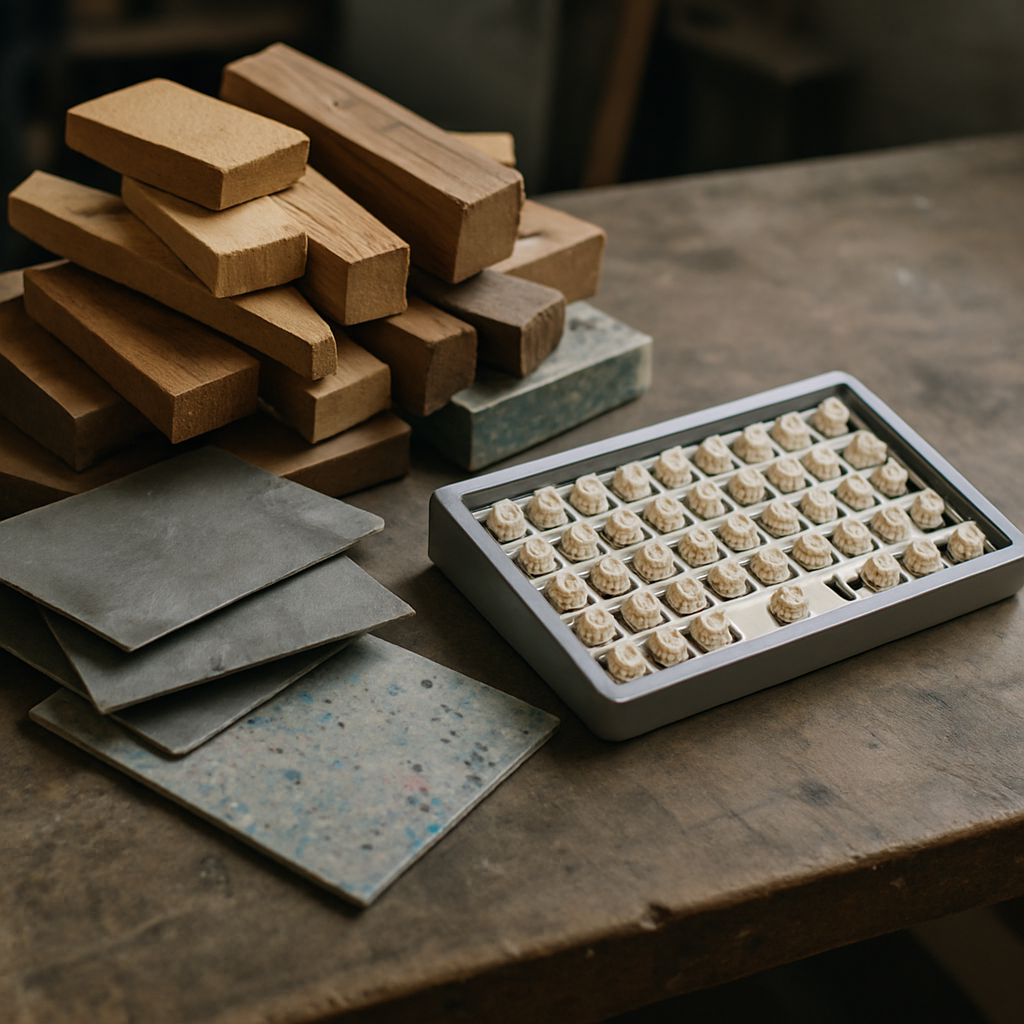
In an age where sustainability is becoming increasingly crucial, the custom mechanical keyboard community is exploring innovative ways to incorporate eco-friendly practices. The journey of reclaimed materials in keyboard crafting not only reflects a commitment to environmental responsibility but also brings unique aesthetics and histories to our workspaces. As consumers grow more conscious of their environmental impact, keyboard enthusiasts and artisans are turning to sustainable methods, creating beautiful and functional pieces while reducing waste. By analyzing the processes and materials that define this movement, we can better understand the intersection of sustainability and craftsmanship in the ever-evolving world of custom mechanical keyboards.
The Rise of Sustainable Sourcing
The demand for sustainable materials is reshaping numerous industries, and the custom mechanical keyboard community is no exception. Companies like Rama Works and Drop have started exploring sustainable sourcing options to create keyboards that appeal not only aesthetically but also ethically. The shift towards using materials such as recycled aluminum and reclaimed wood is a response to both consumer pressure and a genuine desire to mitigate environmental impact.
Reclaimed materials, once considered niche, are now entering mainstream production. This movement is evident in Rama Works' commitment to utilizing recycled metals in their iconic keyboard chassis, marrying durability with sustainability. Similarly, artisans are sourcing locally reclaimed wood, giving new life to materials that may have otherwise contributed to environmental degradation. This approach not only preserves natural resources but also imbues each keyboard with a distinct story and character.
Sustainability in sourcing extends beyond just the keyboards themselves. Accessories like keycaps and cables are also being crafted from eco-friendly materials. Polycaps, for example, is venturing into biodegradable plastics for keycaps, minimizing the long-term impact on landfills and ecosystems. As more companies and individuals prioritize sustainable materials, the industry is setting a standard for environmentally conscious manufacturing practices, demonstrating innovation that marries form, function, and responsibility.
Craftsmanship and Community Impact
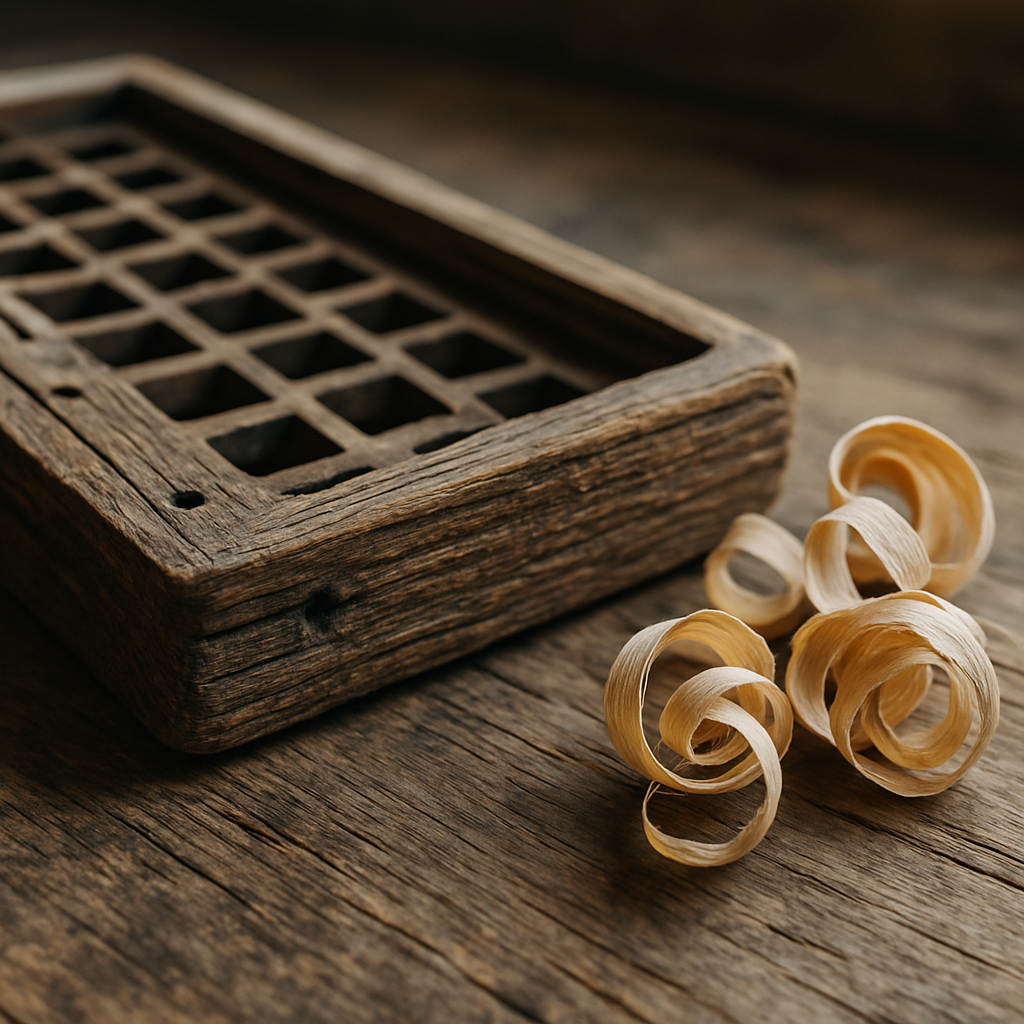
The use of reclaimed materials in keyboard crafting is closely tied to the values of craftsmanship and community. Artisans who choose to work with such materials often do so not only out of environmental consideration but also for the unique challenges and rewards they present. Keycraft, a small workshop in Oregon, exemplifies this approach, creating custom keyboards from locally sourced reclaimed wood. Each piece is crafted with precision, showcasing the distinct grain patterns and histories inherent in the material.
This approach fosters a deeper connection between the artisan and the community. By sourcing materials locally, artisans support regional economies and reduce transportation emissions, further reinforcing their commitment to sustainability. In turn, customers gain a sense of participation in this eco-friendly narrative, knowing their purchases support both environmental and community well-being.
The sharing of techniques and ideas within the keyboard enthusiast community also plays a crucial role in promoting sustainable practices. Online forums and social media platforms serve as conduits for exchanging knowledge about sourcing and crafting with reclaimed materials. This collaborative spirit not only helps individuals improve their craftsmanship but also cultivates a culture of sustainability that extends beyond individual projects, influencing the broader market and inspiring others to adopt more eco-friendly approaches.
Challenges and Opportunities
Despite the growing popularity of using reclaimed materials in keyboard crafting, the practice is not without its challenges. One significant hurdle is the availability and consistency of the materials themselves. Unlike new materials, reclaimed ones can be harder to source in bulk and may exhibit variability in quality and appearance. This variability requires artisans to be adaptable and creative, often leading to unique design solutions that leverage the character of each specific material batch.
Another challenge is the increased labor and skill required to work with reclaimed materials. Artisans must often invest more time in preparing these materials, such as cleaning and refining, before they can be used in production. This investment can lead to higher costs, which may deter some consumers accustomed to the lower prices of mass-produced alternatives. However, those willing to invest in these sustainable options often appreciate the craftsmanship and story behind each piece.
On the other hand, these challenges open up numerous opportunities for creativity and innovation. By engaging with these materials, artisans can develop new techniques and processes that enhance both the aesthetic and functional qualities of their keyboards. Companies can differentiate themselves in a crowded market by emphasizing their commitment to sustainability, thus appealing to a growing demographic of environmentally conscious consumers.
Innovations in Reclaimed Material Use
In the realm of mechanical keyboards, the use of reclaimed materials has given rise to a wave of innovation that is redefining how artisans and consumers think about keyboard craftsmanship. One notable example is the work of artisans like Keycap Dungeon, who are experimenting with recycled resin to create stunning, one-of-a-kind keycap designs. These keycaps often incorporate elements of nature, like preserved flowers or insect specimens, symbolizing the harmony between technology and the natural world.
Additionally, advancements in technology have made it easier to work with reclaimed materials. Laser cutting and 3D printing, for example, allow for precise manipulation of materials that might otherwise be difficult to handle manually. This precision opens up new possibilities for intricate designs and bespoke creations, further enhancing the appeal of using reclaimed materials in keyboard crafting.
The push towards sustainable practices has also prompted innovation in packaging and logistics. Companies are increasingly opting for biodegradable or recyclable packaging for their products, minimizing the environmental impact from start to finish. The integration of such practices not only reduces waste but also encourages consumers to think more holistically about the lifecycle of the products they purchase. Through these innovations, the use of reclaimed materials in keyboard crafting becomes more feasible and appealing, driving continued interest and development in this exciting field.
The Future of Sustainability in Keyboard Crafting
The momentum behind sustainable practices in keyboard crafting suggests a promising future for the industry. As more artisans and companies embrace reclaimed materials, they not only contribute to environmental preservation but also inspire innovation and creativity within the community. The trends we've observed indicate a growing recognition of the importance of sustainability in design and production processes.
The continued development of new materials and techniques will likely expand the possibilities for sustainable keyboard crafting. Research into biodegradable and upcycled materials, for instance, might lead to even more environmentally friendly options for keycaps, switches, and cases. As these options become more accessible and cost-effective, they have the potential to become the norm rather than the exception in the industry.
Moreover, consumer demand for sustainable products is expected to increase, propelling more companies to adopt these practices. As a result, the market will likely see a shift towards more transparent and ethically minded production processes. This evolution will not only benefit the environment but also foster a deeper appreciation for craftsmanship and design among consumers. The journey of reclaimed materials in keyboard crafting is just beginning, and its continued growth promises to reshape the landscape of custom mechanical keyboards and related crafts for the better.