Silk Screen Printing on Keycaps: A Blend of Precision and Creativity
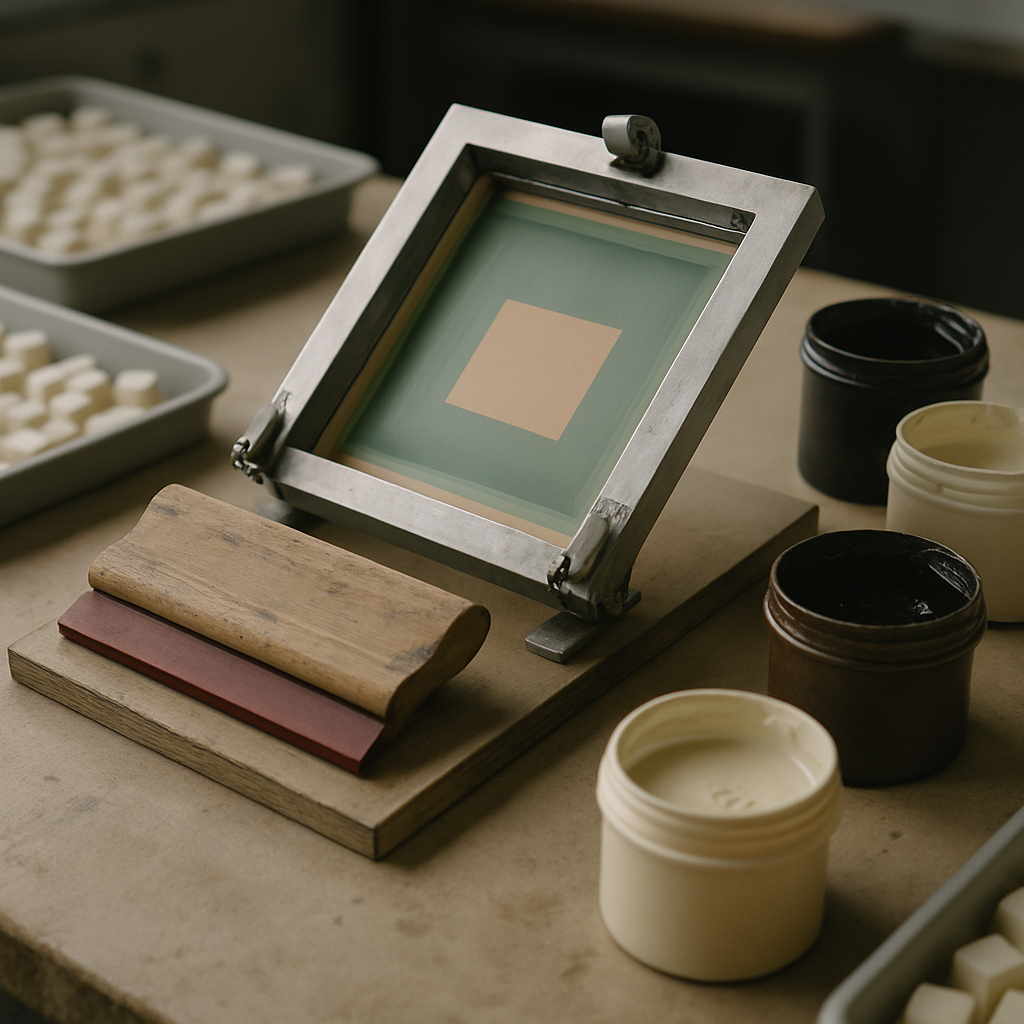
In the vibrant world of custom mechanical keyboards, the aesthetics of keycaps play a pivotal role in defining the user's experience. Among the myriad of decoration techniques available, silk screen printing stands out as a blend of precision, creativity, and durability. This traditional method allows enthusiasts and artisans to transfer intricate designs and vibrant colors onto keycaps, enhancing their visual appeal. Rooted in ancient practices but adapted for modern needs, silk screen printing offers a unique avenue for personal expression. With its ability to produce sharp, vivid images, it remains a popular choice for both hobbyists and professionals seeking to customize their mechanical keyboards in uniquely personal ways.
The Art of Silk Screen Printing
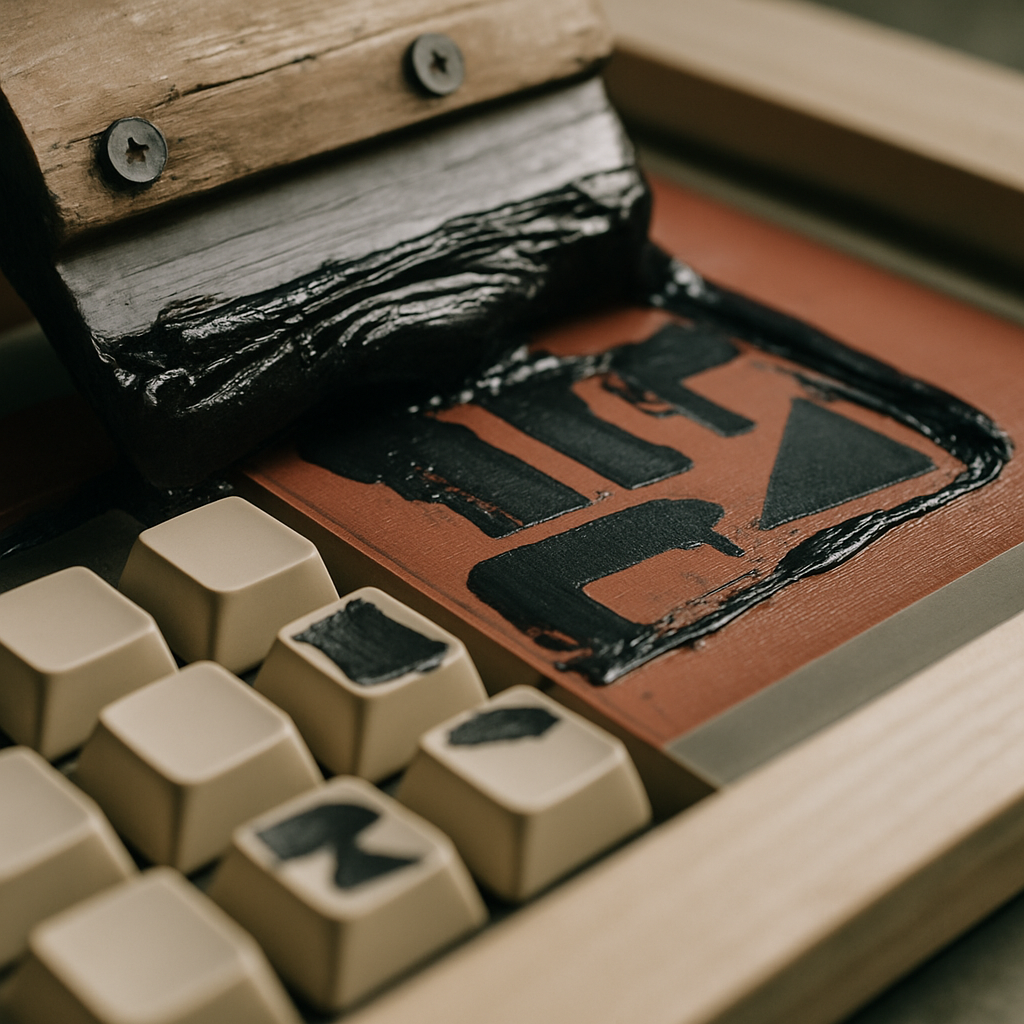
Silk screen printing, also known as serigraphy, is an age-old technique that has been adapted for use in the custom mechanical keyboard community. Originating from ancient China, the method gained popularity during the Song Dynasty, eventually spreading to the West where it was embraced by artists such as Andy Warhol for its ability to reproduce bold, vibrant imagery. In the context of keycap customization, silk screen printing involves transferring a design onto keycaps using a mesh screen, ink, and a squeegee. The basic process is straightforward: a design is first created and transferred onto a screen. Ink is then pushed through the mesh onto the surface of the keycap below, with areas not meant to be colored blocked out by a stencil.
The appeal of silk screen printing in keycap customization lies in its ability to produce detailed and durable designs. Unlike other methods such as pad printing, which may fade over time, silk screen prints can withstand the rigors of daily use on a mechanical keyboard. This durability is partly due to the thick ink layers that are deposited during the printing process, which adhere strongly to the substrate. Furthermore, silk screen printing allows for the use of a wide range of inks, from UV-curable options that enhance durability to specialty inks that glow in the dark, opening up a spectrum of creative possibilities for keycap designers.
Precision in the Process
Achieving precision in silk screen printing on keycaps requires meticulous attention to detail. Each stage of the process must be carefully managed to ensure high-quality results. The preparation of the screen, for example, is crucial. A fine mesh is essential for capturing intricate designs. Different mesh counts can affect the final output, with higher counts allowing for more detailed images. Companies like Tai-Hao and Keyreative have mastered the art of balancing mesh counts with ink viscosity to achieve crisp details that pop on each keycap.
Another key aspect of precision in silk screen printing is the alignment of the screen over the keycaps. Since keycaps can vary slightly in size and shape, especially those from custom sets, ensuring that the design is printed accurately in the center of each cap is imperative. This is typically achieved using alignment tools and jigs that hold the keycaps in place during the printing process. The meticulous care in alignment contributes significantly to the overall aesthetic quality of the printed keycaps, ensuring that each set maintains a consistent and professional appearance.
The choice of ink also plays a critical role in the precision and quality of silk screen printed keycaps. Inks must be carefully selected based on their adhesion properties and their ability to maintain clarity over time. Silk screen printing allows for the layering of inks, a technique often employed to create multi-colored images and gradients on keycaps. Companies like Signature Plastics often conduct extensive testing to ensure that their inks can endure the daily wear and tear that keycaps experience, ensuring longevity without sacrificing visual appeal.
Creativity Unleashed
Silk screen printing provides an unparalleled platform for creativity in keycap design. With the ability to reproduce virtually any image or pattern, designers have the freedom to experiment with various styles and themes. Whether it's recreating intricate art pieces, developing themed sets inspired by popular culture, or crafting abstract designs, silk screen printing offers endless possibilities. This versatility is embraced by both independent artisans and larger manufacturers, each bringing their unique vision to the table.
The custom keyboard community thrives on this creative potential. Artisans often collaborate with artists to produce limited edition keycap sets that reflect specific artistic themes or social commentaries. Such collaborations have given rise to keycaps that are not only functional but also serve as miniature canvases of art. Companies like MiTo and JTK benefit from this synergy by offering limited runs of artistically themed keycaps that appeal to collectors and enthusiasts alike. The ability to produce vivid, high-detail designs has cemented silk screen printing as a preferred method for those looking to express their individuality through their keyboards.
Creativity in silk screen printing on keycaps is further enhanced by the range of materials that can be used. Beyond the standard ABS plastic, other materials like PBT and even metal can be silk screen printed, each offering a different tactile and visual experience. Some artisans have even experimented with printing on unconventional materials like wood and resin, further pushing the boundaries of what can be achieved with this technique. The marriage of creativity and precision in silk screen printing continues to inspire the creation of stunningly unique keycaps that are cherished by their owners.
Challenges and Innovations
Despite its many advantages, silk screen printing on keycaps is not without its challenges. One of the primary difficulties is the limitation in color layering. Traditional silk screen printing can struggle with designs that require a multitude of colors, as each color layer necessitates a separate screen and precise alignment to achieve the desired result. This can be labor-intensive and increase production costs, particularly for small batches. However, advances in technology and materials have begun to address these issues. Companies like GMK and Drop have invested in innovative techniques to streamline the silk screen process, making it more efficient and capable of handling complex designs.
Another challenge is the setup time and learning curve associated with silk screen printing. For independent artisans and small-scale producers, the initial investment in equipment and the skill required to produce high-quality prints can be significant. Mastering the technique involves understanding the nuances of mesh selection, ink formulation, and screen exposure, all of which require practice and experience. To address these challenges, many manufacturers offer workshops and online tutorials, providing aspiring keycap designers with the knowledge they need to succeed.
Innovation continues to drive the evolution of silk screen printing on keycaps. Recent developments have introduced automated printing systems that can handle larger volumes while maintaining the precision and quality associated with traditional silk screen methods. These innovations are opening up new possibilities for mass customization, allowing larger numbers of enthusiasts to bring their personalized designs to life. As technology advances, silk screen printing is poised to remain a vital and dynamic part of the custom mechanical keyboard landscape.
The Future of Silk Screen Printed Keycaps
As the custom mechanical keyboard community continues to grow, the demand for personalized keycaps shows no signs of abating. Silk screen printing remains a popular choice due to its unique blend of tradition and innovation. The technique's adaptability to new materials and designs ensures that it will continue to play a significant role in the industry. As the push for eco-friendly practices gains momentum, there is also a burgeoning interest in developing sustainable inks and materials that align with environmentally conscious values.
Companies like Ducky and Varmilo are at the forefront of these eco-friendly initiatives, exploring the use of biodegradable inks and recyclable materials for their keycaps. This not only meets consumer demand for sustainable products but also showcases the potential for silk screen printing to evolve alongside changing environmental standards. In the future, we can expect to see even more creative uses of silk screen printing as technological advancements make the process more accessible and versatile.
The enduring appeal of silk screen printed keycaps lies in their ability to capture the essence of individuality and artistry. As new generations of keyboard enthusiasts discover the joys of customization, the scope of what can be achieved through silk screen printing will continue to expand. Whether it's through innovative design collaborations, advancements in technology, or sustainable practices, silk screen printing is set to remain an integral part of the custom mechanical keyboard experience for years to come.