The Art of Keyboard Craft: Japanese Influence on Design Philosophy
Introduction to Japanese Design Philosophy
When we think of design, Japan often comes to mind as a beacon of innovation and aesthetic refinement. The Japanese influence on various craft forms is profound, including the world of keyboard design. This influence is rooted in cultural philosophies that emphasize harmony, simplicity, and practicality.
Wabi-Sabi: Beauty in Imperfection
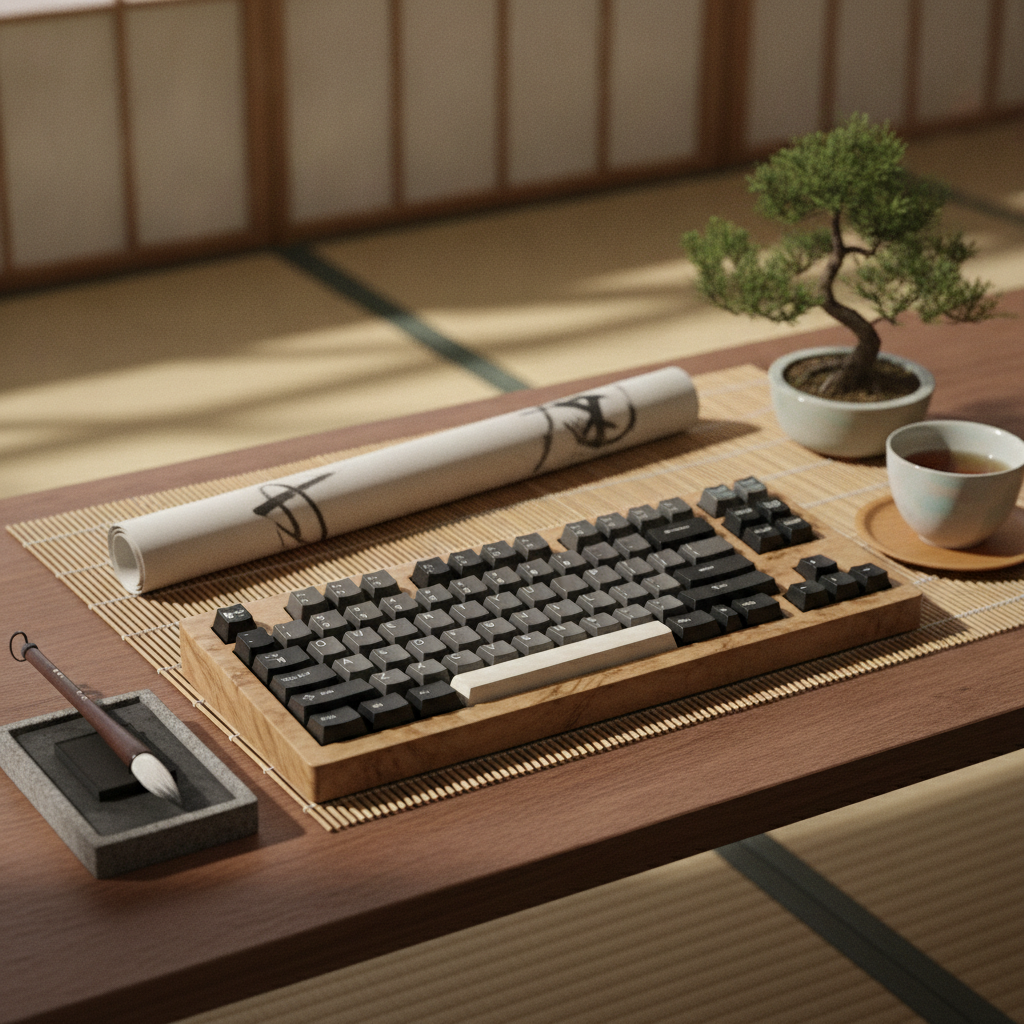
One of the most significant principles shaping Japanese design is wabi-sabi, which finds beauty in the imperfect and the transient. This philosophy encourages the creation of keyboards that are not just functional but also tell a story through their materials and construction. The use of natural woods and artisan craftsmanship in keyboards reflects this ethos, showcasing unique grains and textures that vary from one piece to another.
The Zen of Minimalism
Another vital aspect of Japanese design is minimalism, which emphasizes simplicity and clarity. In keyboard design, this translates to layouts that prioritize user experience without unnecessary embellishments. The minimalist approach allows for a clean aesthetic that enhances focus and productivity, stripping away distractions in favor of functionality.
Craftsmanship and Attention to Detail
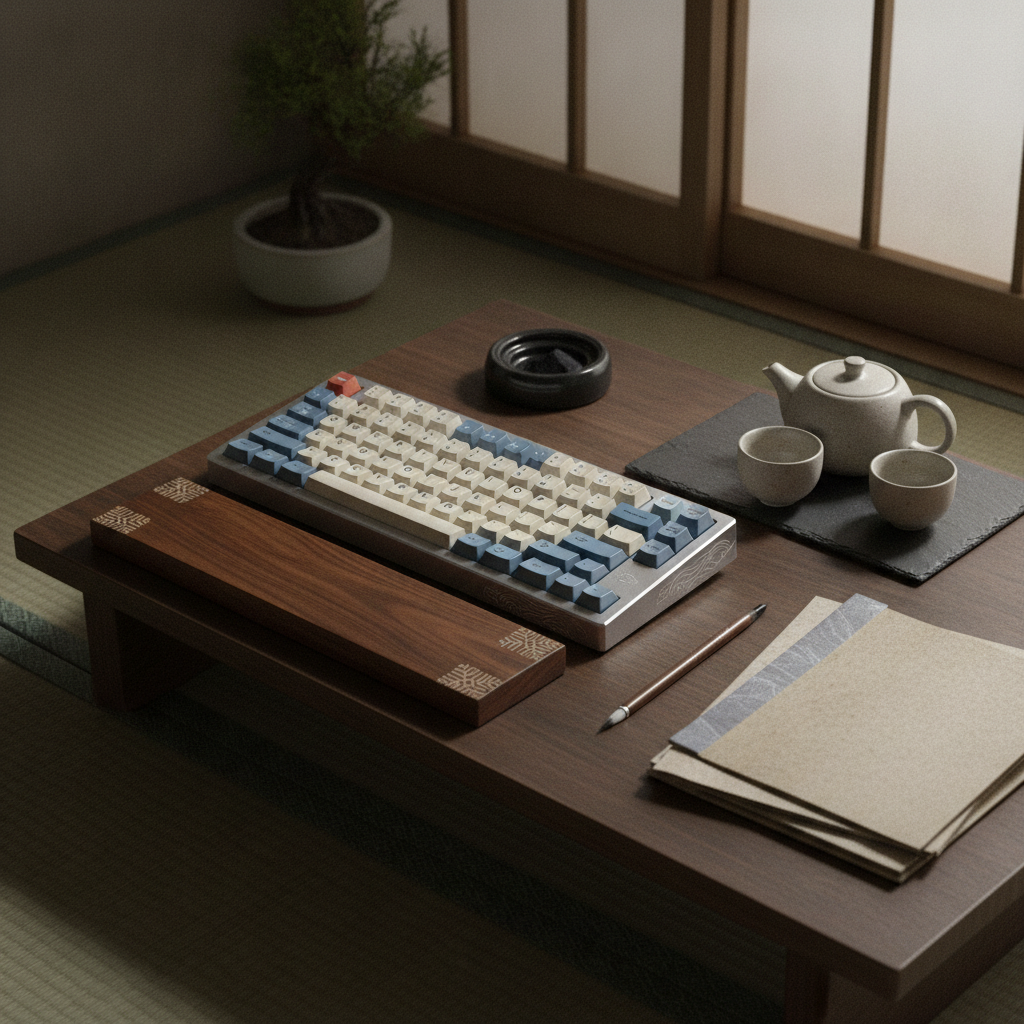
Japanese craftsmanship is synonymous with precision and meticulous attention to detail. Artisans often spend years honing their skills, resulting in keyboards that are not only beautiful but also incredibly durable and reliable. This commitment to quality is evident in the components used, from key switches to keycaps, which are often crafted with dedication to ensure a superior typing experience.
Cultural Significance of Craft
Craftsmanship in Japan is deeply rooted in cultural significance. The concept of monozukuri, or the spirit of making things, embodies a respect for the materials utilized and the processes involved. This philosophy encourages designers to engage with their materials fully and to consider the lifecycle of their products, promoting sustainability in design.
Conclusion
The Japanese influence on keyboard design extends far beyond aesthetics. It embodies a philosophy that values harmony, simplicity, and precision, creating products that resonate with users on multiple levels. As the world continues to embrace these principles, the legacy of Japanese craftsmanship will undoubtedly shape the future of keyboard design.
“In every piece of craftsmanship, there lies a story waiting to be told.”