Typography and Keycaps: The Intersection of Font Design and Usability
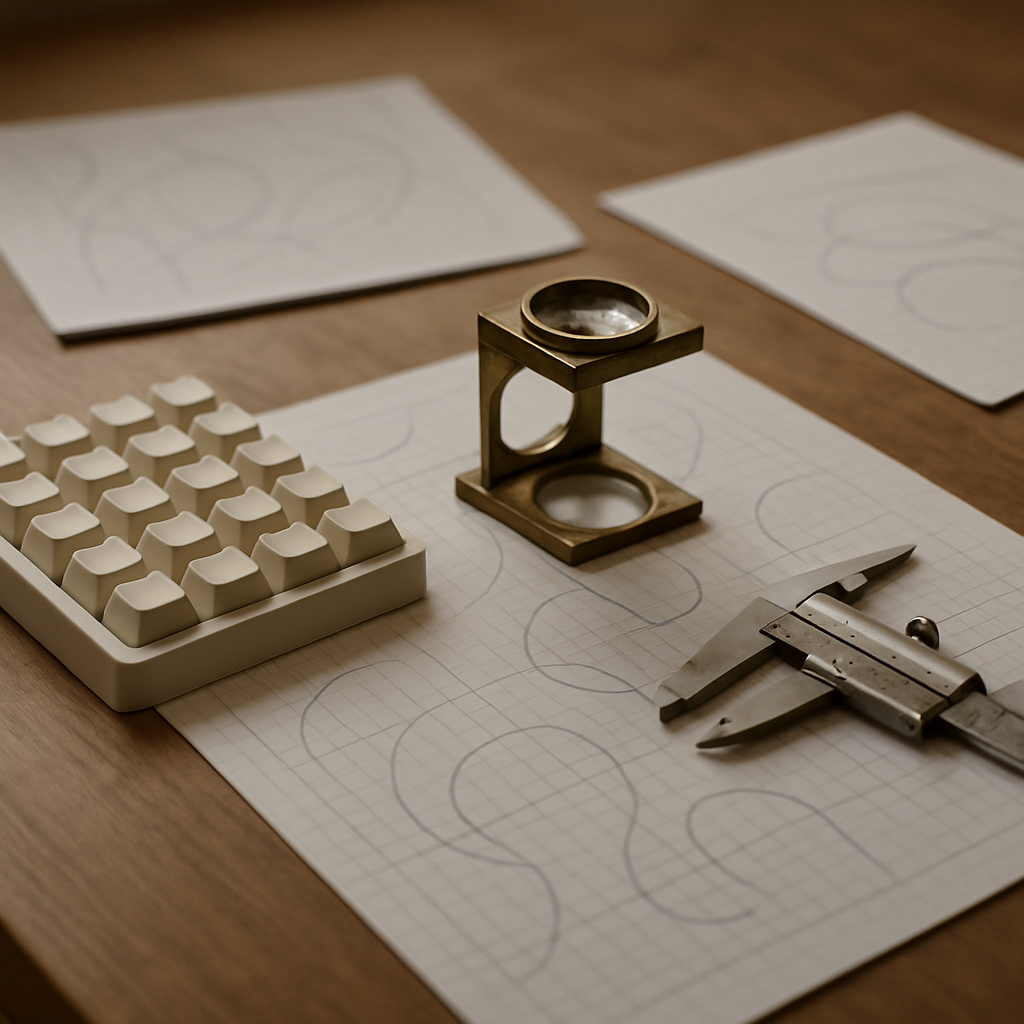
In the world of custom mechanical keyboards, enthusiasts are crafting unique typing experiences by combining aesthetics with functionality. One fascinating aspect of this hobby is the role typography plays in keycap design. The choice of font can transform a keyboard from a mundane tool into an expressive piece of art. However, it's not just about visual appeal; typography on keycaps also affects usability, influencing how users interact with their keyboards. Understanding the balance between design and function is crucial in creating keycaps that are both beautiful and practical. This exploration of typography in keycap design delves into the nuances of font selection, usability considerations, and the artistry found within the keyboard community.
The Art of Keycap Typography
Typography in keycap design is a subtle yet powerful art form. It starts with the selection of typefaces that not only look aesthetically pleasing but also enhance usability. Designers often seek inspiration from a variety of sources, including classic typefaces like Helvetica and Futura, which are known for their readability and timeless appeal. Companies like GMK and Signature Plastics have set industry standards by offering custom keycaps with a wide range of typefaces, leading to an explosion of creative possibilities.
For many enthusiasts, the keycaps' artwork is as important as their functionality. The font must complement the design theme of the keyboard while ensuring that the legends remain legible. This is particularly crucial for those who rely on accurate typing, such as professionals and gamers. The art of typography in keycaps involves balancing style with clarity, ensuring that each keystroke feels intentional and precise. Enthusiasts often collaborate with graphic designers to create bespoke fonts that reflect their personal tastes, resulting in keycaps that are as unique as the users who design them.
The community around custom keycap design is vibrant and diverse, with forums and social media platforms serving as hubs for sharing ideas and inspiration. These spaces allow designers to showcase their work, receive feedback, and refine their designs. The collaborative nature of the community fosters innovation, pushing the boundaries of what is possible in keycap typography. As a result, keycap designers continually experiment with new materials, finishes, and printing techniques to enhance the visual and tactile appeal of their creations.
Legibility and Functionality
While the artistic aspect of keycap typography cannot be overstated, functionality remains a critical consideration. A keycap’s primary purpose is to convey the symbol or letter it represents clearly. Readability is paramount, particularly in professional settings where speed and accuracy are critical. Therefore, designers must engage in a careful balancing act, marrying aesthetics with functionality to ensure that keycaps are both beautiful and practical.
Keycap manufacturers like Ducky and Varmilo prioritize legibility by using high-contrast color combinations and well-proportioned fonts. This attention to detail ensures that the legends are visible under various lighting conditions, making them ideal for both casual users and professionals. Legends printed using dye-sublimation or double-shot molding are less likely to wear off over time, maintaining legibility even with extensive use. This durability is essential for those who spend hours typing daily, as faded legends can lead to typing errors and decreased productivity.
In addition to color and font choices, the spacing between characters and the overall layout of the legends can impact usability. Crowded or poorly spaced legends can lead to confusion, particularly in keyboards with non-standard layouts. By carefully considering every aspect of typography, from typeface selection to character spacing, designers can create keycaps that facilitate effortless typing and enhance the overall user experience.

Cultural Influences in Keycap Design
The cultural dimensions of typography in keycap design add another layer of depth and diversity. Designers often draw inspiration from regional aesthetics, languages, and symbols, resulting in keycaps that celebrate cultural heritage and identity. For instance, the use of Japanese Hiragana or Chinese Hanzi characters on keycaps has become increasingly popular, reflecting the global nature of the keyboard enthusiast community.
Artisans like MiTo and Jelly Key have tapped into this trend by creating keycap sets with themes inspired by Asian art and calligraphy. These designs stand out due to their intricate details and the rich stories they tell. Typography plays a crucial role in translating these cultural narratives onto keycaps, with each set offering a unique blend of tradition and modernity. By incorporating cultural elements into their designs, artisans are not only preserving linguistic and artistic traditions but also fostering cross-cultural appreciation and understanding.
The fusion of cultural motifs with modern keyboard design exemplifies the limitless possibilities within the world of custom keycaps. As designers continue to push the envelope, new styles and themes emerge, each with its own distinct cultural and aesthetic signature. This ever-evolving landscape keeps the hobby vibrant and dynamic, making it an exciting avenue for both creators and collectors.
Technical Challenges and Solutions
Creating keycaps that are both visually appealing and highly functional is not without its challenges. The technical aspects of keycap production, such as material selection and manufacturing techniques, play a significant role in the final product. Different materials, including ABS, PBT, and even exotic woods or metals, each have unique properties that affect the feel and appearance of the keycap legends.
For instance, PBT is favored for its durability and resistance to shine, making it an excellent choice for long-lasting keycaps. However, achieving sharp and intricate legends on PBT can be technically challenging due to its high melting point. Techniques like dye-sublimation and double-shot molding offer solutions, enabling manufacturers to imprint complex designs and legible fonts onto PBT keycaps with precision.
Moreover, the rise of 3D printing technology offers new avenues for keycap customization. Enthusiasts can now design and print their own keycaps at home, experimenting with different materials and printing techniques to achieve desired results. While 3D printing allows for unparalleled creativity, it also presents challenges in terms of achieving professional-level finish and durability. However, as the technology advances, the quality of 3D printed keycaps continues to improve, allowing enthusiasts to explore new frontiers in custom keyboard design.
Future Trends in Keycap Typography
The future of keycap typography is a promising landscape of innovation and creativity. As new materials and technologies emerge, the possibilities for customization and personalization are expanding at an unprecedented pace. Designers are increasingly experimenting with advanced techniques such as laser etching and UV printing, pushing the boundaries of what can be achieved in terms of aesthetic detail and durability.
Collaborations between keycap artisans and established font foundries are likely to become more common, resulting in a fusion of craftsmanship and typographic expertise. This synergy could lead to the development of new typefaces specifically tailored for keycap design, offering enhanced readability and a broader range of stylistic options. As the custom keyboard community continues to grow, the demand for truly unique and personalized keycap designs will only increase, spurring further innovation in typography.
Sustainability is also emerging as an important consideration in keycap production. As awareness of environmental issues grows, manufacturers are exploring eco-friendly materials and production methods. This trend toward sustainability not only reduces the environmental impact of keycap manufacturing but also aligns with the values of a growing segment of the enthusiast community. By embracing sustainable design practices, the future of keycap typography promises to be as conscientious as it is creative.